Natural Lip Care: What Your Lip Balm Should and Should Not Contain
A good lip balm needs only a few things: wax, butter and oil. Here is what to look for, what to skip, and a simple routine for comfortable lips.

Key takeaways
- A good lip balm is mostly wax, butter and oil, which seal moisture in and soften lips.
- Cooling or tingling ingredients and strong flavors can irritate lips and lead to more reapplying.
- Licking your lips is one of the most common causes of chapping.
- Lips need sun protection too: a regular lip balm is not a sunscreen.
Lip balm is probably the most used body care product in the house. It lives in pockets, purses and truck consoles, and it gets reapplied many times a day, often swallowed in small amounts along the way. That makes natural lip care worth a closer look. The good news: a lip balm that works well needs only a handful of ingredients, and the best ones read more like a recipe than a chemistry set. That is chemical free body care in its simplest form.
Why lips get chapped so easily
Lip skin is thinner than the skin on most of your body, has no oil glands, and is exposed to sun, wind and cold all day. It also gets wet and dry over and over every time you talk, eat or lick your lips. Saliva contains digestive enzymes and evaporates quickly, so licking dry lips makes them drier. Our plain English guide to the skin barrier explains why water loss matters so much.
What your lip balm should contain
A good balm does two jobs: it seals in moisture and it softens. Three groups of ingredients handle both.
| Ingredient group | Examples | What it does |
|---|---|---|
| Waxes | Beeswax, candelilla wax, carnauba wax | Gives the balm structure and forms a protective film |
| Butters | Shea butter, cocoa butter, mango butter | Adds richness and a cushiony feel |
| Oils | Jojoba, sweet almond, castor, sunflower, avocado | Softens and adds slip; castor adds shine |
| Antioxidant | Vitamin E (tocopherol) | Helps keep oils from going rancid |
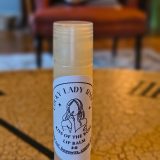
That is genuinely all a lip balm needs. Our Lip Love Lip Balm is built from exactly these: beeswax, shea and cocoa butter, and a blend of skin loving oils. For more on how wax works, see what a beeswax balm does, and for the two classic butters, our comparison of shea butter vs cocoa butter.
What your lip balm should not contain (or at least, not much of)
Cooling and tingling agents
Menthol, camphor and phenol give a tingle that feels like the balm is working. For many people it is mild irritation instead, which can lead to more dryness and more reapplying. If you love a minty balm and your lips feel fine, there is no need to give it up. If you find yourself reaching for your balm constantly, try a plain one for a week.
Heavy flavor and fragrance
Flavors like cinnamon and strong added fragrances are common causes of irritation and allergic reactions on the lips. Peppermint and citrus essential oils can also bother some people, and certain citrus oils can make skin more sensitive to sunlight. Our guide to essential oils in body care explains dilution and which oils call for caution.
Petroleum based fillers, if you prefer to avoid them
Petrolatum and mineral oil are effective at sealing in moisture and are considered safe by regulators when properly refined. Many people simply prefer plant based alternatives. Our guide to petroleum free moisturizers covers what replaces them.
Colors you do not know
Tinted balms and lipsticks use pigments. Regulators allow approved color additives, and the FDA has looked at trace lead in lipsticks and considers the levels it found to be very low. If you want to know more, our main site discusses heavy metals in cosmetics in a balanced way.
A simple lip care routine
- Apply balm before lips feel dry. Morning, before going outside, and before bed are good anchors.
- Use a thin layer. A little goes a long way.
- Put on a thicker layer at night. Lips can recover while you sleep without talking or eating.
- Break the licking habit. Keep a balm handy so you reach for it instead.
- Drink water and run a humidifier in dry seasons if your whole face feels tight.
What about exfoliating?
If lips are flaking, resist the urge to peel. A soft washcloth, used gently after a warm shower, is plenty. Then apply balm right away. Harsh sugar scrubs and picking can leave lips raw.
Lips and the sun
Lips burn too, and sun exposure contributes to dryness and long term damage. A regular lip balm is not a sunscreen. The FDA regulates sunscreen as a drug, so only products labeled and tested as sunscreen can make sun protection claims. For long days outdoors, use a lip product labeled for sun protection, wear a wide brim hat, and follow dermatologist guidance. Our guide to mineral sun protection for outdoor days has more on shade, clothing and reapplying.
Who should be a little more careful
- People with bee product allergies: beeswax rarely causes reactions, but propolis, sometimes added to balms, is a known allergen. Plant wax balms are an option.
- People with nut allergies: check for sweet almond and other nut oils.
- Children: keep strongly scented or medicated balms away from little ones, who tend to eat them.
- Anyone with persistent cracking: cracks at the corners of the mouth, sores, or chapping that does not improve after two weeks of gentle care is worth showing to a doctor or dermatologist. It can have causes that a balm will not fix.
Taking care of the tube itself
Natural balms made from butters and oils are sensitive to heat. Left on a dashboard in summer, a stick can melt and then set again with a grainy texture. It is still fine to use, but it feels less smooth. Keep balm in a pocket or bag rather than a hot car, and replace a tube that smells sharp or crayon like, which is a sign the oils have gone rancid. Most people use up a tube long before that happens.
Reading a lip balm label in ten seconds
- Do the first few ingredients include a wax, a butter or an oil? Good sign.
- Do you see "fragrance," "flavor," menthol, camphor or phenol? Consider whether you need them.
- Is the list short enough to read in one breath? Even better.
Our broader guide to reading body care labels goes deeper.
Simple is enough
Natural lip care does not need to be complicated. A balm made from wax, butter and oil, applied before lips get dry, will do more good than a drawer full of tingling tubes. That has been our approach at Lucky Lady Ranch from the start: a few honest ingredients, nothing harsh, and products you feel good using many times a day.
From the ranch
Made in small batches, without the ingredients discussed above.
Questions people ask
Why does my lip balm seem to make my lips drier?
Some balms contain menthol, camphor, phenol, strong flavors or fragrance that can mildly irritate lips, which leads to more reapplying. Licking your lips also dries them. Try a plain balm made with wax, butter and oil for a week and see if things improve.
Is beeswax good for lips?
For most people, yes. Beeswax gives balm structure and forms a light protective layer that helps slow moisture loss. People with bee product allergies may prefer a plant wax balm, and propolis in particular is a known allergen.
Does regular lip balm protect against the sun?
No. Only products labeled and tested as sunscreen can claim sun protection, since the FDA regulates sunscreen as a drug. For time outdoors, use a lip product labeled for sun protection and wear a wide brim hat.
How can I fix chapped lips quickly?
Stop licking them, apply a thin layer of a simple balm often, and use a thicker layer at night. Avoid peeling flakes. If lips crack, bleed or do not improve within about two weeks, see a doctor or dermatologist.
Sources and further reading
- American Academy of Dermatology (AAD), Dermatologists' tips for healing dry, chapped lips
- US Food and Drug Administration (FDA), Lead in Cosmetics
- US Food and Drug Administration (FDA), Sunscreen: How to Help Protect Your Skin from the Sun
- American Contact Dermatitis Society, Contact allergen information
This guide is for general education and is not medical advice. If you have a skin condition, allergy, or are pregnant or nursing, talk with your doctor or a board certified dermatologist about the products that are right for you.