Finding a Natural Deodorant That Works for You
No single natural deodorant works for everyone. Match the formula to your skin and routine, apply it the right way, and give it a fair trial.

Key takeaways
- Natural deodorants manage odor; they do not stop sweat the way aluminum antiperspirants do.
- Formula type matters: baking soda, baking soda free, clay and charcoal blends each suit different people.
- How you apply it (clean, fully dry skin and a thin layer) often matters as much as which one you buy.
- Give a new deodorant two to four weeks and patch test first if your skin is sensitive.
Ask ten friends about the natural deodorant that works for them and you may get ten different answers. That is not because most of them fail. It is because bodies, climates and routines are different, and a deodorant that is perfect for a desk worker in Seattle may struggle on a ranch hand in a Texas July. This guide helps you narrow the field and test what you choose, so your switch to chemical free body care under the arms is a calm one.
If you are just starting, our main site has a friendly overview of what to expect when switching to natural deodorant. Here we focus on choosing and troubleshooting.
First, set the right expectation
A natural deodorant is not an antiperspirant. Antiperspirants use aluminum salts to temporarily plug sweat ducts. Deodorants leave sweat alone and work on odor instead, which comes from bacteria breaking down compounds in sweat, especially in the underarm. So a natural deodorant that works is one that keeps you smelling fresh through your day. You will still sweat, and that is normal.
If staying dry is your top priority, for example for a wedding or a stressful presentation, that is a reasonable choice to make for that day. Many people find they sweat about the same or less once they get used to the change, though experiences vary.
Know the main formula types
Most natural deodorants combine a few jobs: something to absorb wetness, something to make the skin less friendly to odor causing bacteria, and something to make it glide. Our guide to aluminum free deodorant ingredients explains each ingredient in depth. Here is the shopper's view:
| Type | Typical ingredients | Often suits | Watch for |
|---|---|---|---|
| Baking soda based | Baking soda, arrowroot or cornstarch, butters, oils | People who need strong odor control | Redness or itching in some skin types |
| Clay and charcoal blends | Bentonite or kaolin clay, activated charcoal, starch | Heavier sweaters who want more absorbency | Can feel drying; may need a moisturizing base |
| Baking soda free | Magnesium hydroxide, zinc ricinoleate, starches | Sensitive skin | May need reapplying on long days |
| Cream in a jar | Same actives, softer base | Dry or easily irritated skin | Less convenient on the go |
Our All Day Deodorant combines baking soda with arrowroot, bentonite clay and activated charcoal in a base of hard and soft oils. It is a strong odor control formula, so it suits many people well. If baking soda has bothered you before, read why some skin reacts to baking soda before you choose.
Match the deodorant to your situation
- You sweat heavily or work outdoors: look for a formula with clay or charcoal for absorbency, and plan on a quick wash and reapply midday.
- Your skin is sensitive: start baking soda free, choose lightly scented or unscented, and patch test. Our guide to body care for sensitive skin has a simple patch test method.
- You shave your underarms: apply deodorant at night or wait until skin has calmed after shaving. Freshly shaved skin is more reactive.
- You are scent sensitive: essential oils are still fragrance. Read our notes on essential oils in body care and consider a milder blend.
- You live somewhere hot: stick deodorants with a higher share of hard butters and wax hold up better in heat. Store them out of a hot car.
How to apply natural deodorant so it works
Many "it does not work" stories are really application stories.
- Start clean. Wash underarms with soap, not just a rinse. A bar with tea tree, like our Man Bar, is popular for this, but any gentle soap works.
- Dry completely. Damp skin plus baking soda is a common recipe for irritation.
- Warm the stick. Hold it against the skin for a few seconds so the butters soften.
- Use a thin layer. Two or three swipes is plenty. More is not better and can lead to residue or irritation.
- Let it set for a minute before dressing.
Troubleshooting common problems
"I still smell by the afternoon"
- Make sure you are washing with soap each day.
- Check your shirts. Synthetic fabrics can hold onto odor even after washing. Cotton, linen and wool tend to release it more easily.
- Try a formula with more absorbency, or reapply after washing at midday.
"My underarms are red, dark or itchy"
- Stop using the product and let skin recover for a few days.
- Switch to a baking soda free formula, and apply only to fully dry skin.
- Soothe with a plain, unscented balm or oil in the meantime.
- If a rash spreads, blisters or does not settle within a week or two, talk with a doctor or dermatologist.
"It leaves marks on my clothes"
- Use less, and give it a minute to absorb.
- Oil marks wash out more easily if you treat them before washing.
Small habits that help any deodorant
- Wash workout clothes soon after wearing them rather than leaving them in a gym bag.
- Keep underarm hair trimmed if you like. Hair holds onto moisture, so some people notice less odor.
- Carry a small cloth and a travel stick on long or hot days for a quick refresh.
- Keep the stick capped and out of direct sun so it stays firm and easy to apply.
Give it a fair trial
Plan on two to four weeks before you judge a new deodorant. Some people notice stronger odor during the first week or two after leaving antiperspirant, and that often settles. Keep a little notebook or phone note: what you used, how hot it was, what you wore, and how you felt by evening. Patterns show up quickly.
When you read labels during your search, our guide to reading body care labels helps you see past front of package claims to the actual ingredient list.
Finding your fit
A natural deodorant that works is the one that suits your skin, your sweat and your day, applied to clean, dry skin in a thin layer. It may take one or two tries. At Lucky Lady Ranch we keep our formula simple, with no aluminum, no synthetic fragrance and nothing we would not put on our own family, and we are always happy to answer questions as you find your fit.
From the ranch
Made in small batches, without the ingredients discussed above.
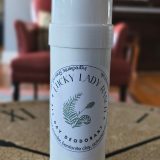 All Day DeodorantAluminum free deodorant that passed every sweaty test we gave it.
 Man BarTea tree, cedarwood and bergamot mint in a clean, rugged bar.
Questions people ask
Why does my natural deodorant stop working after a few weeks?
Common causes are changes in weather or activity, applying to damp skin, or odor trapped in synthetic clothing. Washing with soap daily, drying completely and washing shirts promptly usually help. Some people also rotate between two formulas.
Is there a natural deodorant that stops sweating?
No. Stopping sweat is what antiperspirants do with aluminum salts. Natural deodorants absorb some wetness with starches or clay and focus on controlling odor, so you will still sweat.
Should I apply natural deodorant at night or in the morning?
Morning on clean, dry skin works for most people. If you shave in the morning or have sensitive skin, applying at night after showering can reduce irritation, then you can touch up in the morning.
How do I know if I am sensitive to baking soda?
Redness, itching, a burning feeling or darkened patches in the underarm after a few days of use can point to baking soda sensitivity. Stop using it, let skin calm, and try a baking soda free formula.
Sources and further reading
- US Food and Drug Administration (FDA), Antiperspirant and deodorant information for consumers
- American Academy of Dermatology (AAD), Hyperhidrosis: Diagnosis and treatment
- Cleveland Clinic, Body Odor: Causes and Management
- International Hyperhidrosis Society, Antiperspirants and deodorants
This guide is for general education and is not medical advice. If you have a skin condition, allergy, or are pregnant or nursing, talk with your doctor or a board certified dermatologist about the products that are right for you.