A Simple Chemical Free Body Care Routine
A body routine does not need ten steps. Here is a calm, chemical free body care routine for mornings, evenings and once a week, plus how to adjust it by season.

Key takeaways
- A good chemical free body care routine has three daily moves: cleanse gently, moisturize while skin is damp, and protect what is exposed.
- Most people need only five or six products for the whole body.
- Cleanse with lukewarm water and a mild soap, focusing on the areas that actually need it.
- Adjust heavier or lighter by season instead of buying a new product for every problem.
Most of the attention in skin care goes to the face, yet the body has far more skin and usually gets far less thought. A chemical free body care routine does not have to be elaborate. In fact, the simpler it is, the more likely you are to keep doing it. This guide lays out a daily and weekly rhythm built on a few honest products, and shows how to adjust it as the seasons and your days change.
The three daily moves
Almost every good body routine comes down to three steps:
- Cleanse gently. Remove sweat, oil and dirt without stripping the skin's own protective oils.
- Moisturize while damp. Seal in the water your skin just absorbed in the shower.
- Protect what is exposed. Underarms, lips, hands and any skin that will see sun or wind.
Everything else is optional. If you only have two minutes, do these three and you have done the important part. If you are new to the idea behind all this, start with what chemical free body care really means.
Morning routine (about five minutes)
1. A short, lukewarm shower
Hot water feels good but it pulls oils from the skin faster. Lukewarm water and a shower of five to ten minutes is kinder, especially in winter. Use a mild bar soap on the areas that really need cleansing: underarms, groin, feet and anywhere you sweated. Arms, legs and back often do fine with a quick lather or even just a rinse on days you did not work up a sweat.
2. Pat, do not rub
Leave your skin slightly damp. Rubbing hard with a towel can irritate, and fully dry skin misses the best moment to moisturize.
3. Moisturize within a few minutes
Smooth a body oil or a light layer of balm over damp skin. Oil spreads easily and absorbs faster when there is a film of water on the skin. Our step by step guide to moisturizing after a shower with the damp skin method covers amounts and timing.
4. Deodorant on dry underarms
Natural deodorants work best on clean, fully dry underarms. Apply a small amount and give it a minute before dressing. If you are still adjusting to one, see finding a natural deodorant that works for you.
5. Protection for the day ahead
If you will be outside, apply mineral sun protection to exposed skin and a balm to lips. On cold or windy days, a thin layer of balm on the backs of the hands helps.
Evening routine (about three minutes)
Evenings are for repair and comfort, not for more cleansing. If you showered in the morning, you usually do not need soap again at night unless you exercised or got dirty.
- Wash hands and feet if they need it, then dry them well.
- Treat the hard working spots. Rub a balm into knuckles, cuticles, elbows and heels. These areas have thicker skin and fewer oil glands, so they benefit from a richer layer.
- Lip balm before bed. Lips lose moisture overnight, and a beeswax balm helps hold it in.
- Cotton socks over balmed heels a few nights a week if your feet are rough.
Once a week
A weekly reset keeps the daily routine working without overdoing it.
- Gentle exfoliation. A washcloth or soft brush in the shower is usually enough. Skip harsh scrubs, which can leave tiny scratches.
- A bath soak. Warm, not hot, water with mineral salts is a relaxing way to soften rough skin before a longer moisturizing session.
- Nail and cuticle care. Massage a drop of oil into each cuticle.
- Check your products. Look for changes in smell, color or texture, and wipe water out of soap dishes. Our notes on storing natural body care explain what to watch for.
A short shelf that covers it all
| Step | What to use | What to look for on the label |
|---|---|---|
| Cleanse | Cold process soap bar | Plant oils, lye listed or noted, named essential oils or unscented |
| Moisturize | Body oil or whipped butter | Oils and butters first, no "fragrance" |
| Repair | Beeswax and shea balm | Short list, no petrolatum |
| Underarms | Aluminum free deodorant | Arrowroot or clay, named scents |
| Lips | Beeswax lip balm | No flavor oils or dyes if you are sensitive |
| Outdoors | Zinc oxide mineral sunblock | Zinc oxide as the active ingredient |
Adjusting for the seasons
Rather than buying a separate product for every season, adjust the texture and amount of what you already use.
- Winter: shorter, cooler showers, a little more oil or balm, and balm on hands before going out. Indoor heating dries skin quickly.
- Spring and fall: your baseline. Oil after showering, balm on rough spots.
- Summer: lighter amounts of oil, more attention to sun protection and to rinsing off sweat and salt. Balm only where skin is truly dry.
If you are trying to decide between textures, our comparison of lotion, body balm and body oil helps you choose by skin type and climate.
Common routine mistakes
- Soaping the whole body every time. Daily full body lathering with strong cleansers is one of the most common causes of dry, itchy skin.
- Waiting too long to moisturize. Ten minutes after the shower, the window has mostly closed.
- Using too much product. A balm should disappear into the skin with a few minutes of massage. If you feel greasy an hour later, use less.
- Changing everything at once. If something irritates you, you will not know which product it was.
The two minute version
Some days there is no time for anything careful. On those days, rinse off with lukewarm water and use soap only where you need it. Pat dry, then press a few drops of oil into your arms and legs while they are still damp. Swipe on deodorant, put balm on your lips, and go. That small sequence keeps the skin barrier comfortable, and you can catch up on heels and cuticles later in the week. Consistency over months does more for your skin than any one long session.
Keeping it simple
A body routine is something you do every day for years, so it should feel easy and pleasant. Our own routine at Lucky Lady Ranch is built around a cold process Body Bar in the shower and our Body Oil on damp skin afterward, with balm for hands after ranch chores. If your skin is persistently itchy, cracked or inflamed despite a gentle routine, please check in with a doctor or dermatologist, since that can point to a condition worth a closer look.
From the ranch
Made in small batches, without the ingredients discussed above.
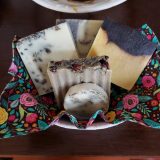 Body BarA true cold process soap for gentle, everyday cleansing.
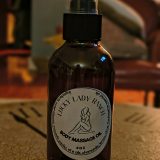 Body OilA silky blend of high quality oils for moisture and massage.
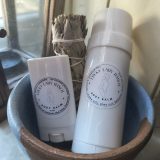 Body BalmUnrefined shea and organic beeswax for hard working skin.
Questions people ask
What is the correct order for a body care routine?
Cleanse first with a mild soap and lukewarm water, pat skin until just damp, apply body oil or balm within a few minutes, then apply deodorant to fully dry underarms and sun protection to any exposed skin.
Do I need to use soap on my whole body every day?
Usually not. Most dermatologists suggest focusing soap on the areas that sweat or get dirty, such as underarms, groin and feet. Arms, legs and back often only need water on days you did not exercise or work outside.
How many products does a natural body routine need?
Most people can manage with five or six: a mild soap, a body oil or butter, a balm for rough spots, a deodorant, a lip balm and a mineral sunblock for outdoor days.
Should I moisturize in the morning or at night?
Moisturize after you shower, whenever that is. Night is a good time to add extra balm to hands, heels and elbows because it has hours to work undisturbed.
Sources and further reading
- American Academy of Dermatology, Dermatologists' Top Tips for Relieving Dry Skin
- American Academy of Dermatology, How to Prevent and Treat Dry Skin in the Winter
- National Eczema Association, Bathing and Moisturizing
- US Food and Drug Administration (FDA), Sunscreen: How to Help Protect Your Skin from the Sun
This guide is for general education and is not medical advice. If you have a skin condition, allergy, or are pregnant or nursing, talk with your doctor or a board certified dermatologist about the products that are right for you.