Storing Natural Body Care: Heat, Light and Water
Heat, light and water are the three things that shorten the life of natural body care. A room by room guide to storage, plus fixes for melted and grainy products.

Key takeaways
- Heat softens and melts balms and speeds up rancidity, so keep products below about 75 to 80 degrees Fahrenheit when you can.
- Light breaks down oils over time; dark bottles and closed cupboards help.
- Water is the main threat to soap bars and open jars; keep both dry between uses.
- A melted balm is usually still fine to use once it sets again; a stale or crayon like smell means the oils have turned.
Natural body care is made from real oils, butters and waxes, and those ingredients respond to their surroundings. A balm left on a sunny windowsill softens. Soap sitting in a puddle dissolves. Oil kept beside a hot shower for a year begins to smell stale. None of this is a flaw. It is simply how simple ingredients behave. Storing natural body care well comes down to managing three things: heat, light and water. This guide shows where to keep each type of product, and what to do when something melts, turns grainy or starts to smell off.
The three things to manage
Heat
Plant butters and some oils change texture with temperature. Coconut oil melts at roughly 76 degrees Fahrenheit, and shea butter begins to soften not far above that. Heat also speeds up oxidation, the slow chemical change that makes oils go rancid. A cool room, a closed cupboard, or a drawer away from heaters and sunny windows is ideal.
Light
Sunlight and strong light speed up the breakdown of oils, which is why many oils come in amber or dark glass. Keep bottles out of direct sun, and keep the cap on.
Water
Water is the biggest threat to bar soap and to open jars. Oils and balms contain no water, which is why they usually do not need preservatives, but water from wet fingers or shower spray can let mold get a start. We explain the details in why lotions need preservatives and balms do not.
Where to keep each product
| Product | Best place | Avoid |
|---|---|---|
| Bar soap in use | Draining dish, out of the direct spray | Flat dishes that hold water, the shower floor |
| Spare soap bars | Linen closet or drawer, unwrapped or loosely wrapped so they keep curing | Sealed plastic in a hot room |
| Body oil | Shelf near the shower, out of the spray, cap closed | Sunny windowsill, top of a radiator |
| Balm or body butter | Bedroom or bathroom cupboard, lid on | Hot car, open jar in a steamy room |
| Deodorant | Cool drawer, especially in summer | Gym bag left in the sun |
| Lip balm | Pocket or bag in cool weather; a cooler spot in summer | Car dashboard, clothes dryer |
| Mineral sunblock | Shade, wrapped in a towel at the beach | Direct sun for hours |
| Bath salts | Closed jar, dry cupboard | Open bag in a humid bathroom (they clump) |
The bathroom problem
The bathroom is where we use body care, and it is also the warmest, steamiest room in the house. A few habits help:
- Keep only what you use daily in the bathroom, and store backups elsewhere.
- Close lids and caps right after use.
- Dry your hands before dipping into a jar, or use a small clean spatula.
- Run the fan or crack a window after showers to cut humidity.
- Keep soap on a dish that lets it drain and dry between uses. A bar that dries fully lasts much longer.
Summer, cars and travel
Hot weather is the season of melted deodorant and liquid lip balm. Indoors in summer, move balms and deodorant into a drawer away from sunny walls. On the road:
- Never leave body care in a parked car. Interior temperatures can climb far above anything a balm can hold up to.
- Carry lip balm in a bag rather than a pocket on very hot days.
- For travel, small tins with screw lids travel better than slide lids, and a zip bag catches anything that softens.
- At the beach or on outdoor days, wrap products in a towel inside a shaded bag. For outdoor routines, see body care for outdoor work.
If a balm melts or turns grainy
Melted: a balm that melts and sets again is usually still fine to use. The texture may change a little. Let it firm up in a cool place, or briefly in the refrigerator, before using.
Grainy: shea butter in particular can develop small grains after it melts and cools slowly. The different fats in the butter firm up at different temperatures, forming tiny crystals. It is a texture issue, not spoilage, and the grains melt on contact with warm skin. If it bothers you, gently melt the balm in a warm water bath, stir, and cool it quickly in the refrigerator.
Soft deodorant: natural deodorants often use coconut oil or butters that soften in heat. Keep them in a cool drawer and they should firm up again.
How to tell when something has turned
Use your senses. These signs mean it is time to replace a product:
- Smell: rancid oils smell stale, sharp, like old crayons, paint or wet cardboard. The original scent fading is normal; a new, unpleasant smell is not.
- Look: fuzzy spots, dark specks that were not there before, or a slimy film on soap.
- Feel: stickiness or a tacky film on an oil that used to feel silky.
- Skin: new irritation from a product you have used happily for months.
Vitamin E in a formula helps slow rancidity, but it does not prevent it forever. Learn more in our guide to vitamin E in natural body care.
How long natural body care keeps
Shelf life depends on the specific oils and how the product is stored, so follow what the maker tells you. As a general guide, many well stored balms and body oils keep their quality for about a year, sometimes longer, while oils high in delicate fatty acids may turn sooner. Cold process soap often keeps for a long time, though its scent fades over the months. Many products show a small open jar symbol with a number such as 12M, which suggests how many months to use it after opening. The main Lucky Lady Ranch site has a fuller look at natural products and shelf life.
Buy what you will use
The simplest storage tip is to buy amounts you will finish while they are fresh. That is one reason we make our products at Lucky Lady Ranch in small batches. A tin of our Body Balm kept in a cool cupboard and our Body Bar on a draining dish will reward you with a long, pleasant life. For more ways to stretch your purchases, see switching to natural body care on a budget.
From the ranch
Made in small batches, without the ingredients discussed above.
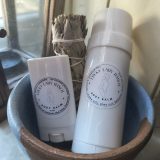 Body BalmUnrefined shea and organic beeswax for hard working skin.
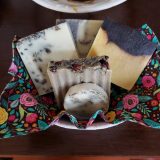 Body BarA true cold process soap for gentle, everyday cleansing.
Questions people ask
Why did my shea butter balm turn grainy?
Shea butter contains several fats that firm up at different temperatures. After melting and cooling slowly, some form small crystals. It is a texture change, not spoilage. Gently remelting and chilling quickly usually smooths it out.
Can I use a balm that melted in the heat?
Usually yes. Let it set again in a cool place. The texture may change slightly, but melting alone does not spoil a water free balm. If it smells stale or sharp, replace it.
How do I know if my body oil is rancid?
Rancid oil smells stale or sharp, often compared to old crayons, paint or wet cardboard, and may feel sticky. If the smell has clearly changed for the worse, it is time to replace it.
Should I keep natural body care in the refrigerator?
Most balms, oils and soaps do not need refrigeration. A cool, dark cupboard is enough. The refrigerator can help a melted balm set again or keep a deodorant firm during a heat wave.
Sources and further reading
- US Food and Drug Administration (FDA), Shelf Life and Expiration Dating of Cosmetics
- European Commission, Period After Opening Symbol Guidance under Regulation (EC) No 1223/2009
- Choe E., Min D.B., Mechanisms and Factors for Edible Oil Oxidation, Comprehensive Reviews in Food Science and Food Safety (2006)
- US Food and Drug Administration (FDA), Microbiological Safety and Cosmetics
This guide is for general education and is not medical advice. If you have a skin condition, allergy, or are pregnant or nursing, talk with your doctor or a board certified dermatologist about the products that are right for you.