Your Skin Barrier, Explained in Plain English
The skin barrier is a thin outer layer that keeps water in and irritants out. Here is how it works, what wears it down, and simple habits that help it stay comfortable.

Key takeaways
- The skin barrier is the outermost layer of skin, often described as bricks (skin cells) held together by mortar (fats).
- Its two main jobs are keeping water in and keeping irritants and microbes out.
- Hot water, harsh cleansers, over scrubbing, dry air and wind are common things that wear it down.
- Gentle cleansing, moisturizing on damp skin and fewer products are the simplest ways to support it.
You may have seen the phrase "support your skin barrier" on a lot of products lately. It is one of the few skin care buzzwords that points to something real and important. Your skin barrier is the reason your body does not dry out like a raisin, and the reason most things that touch your skin stay on the outside. When it is working well, you do not notice it. When it is struggling, you feel it as tightness, itching, flaking or stinging. Here is how it works, in plain English, and what everyday body care habits help or hurt.
What the skin barrier is
Your skin has several layers. The barrier lives in the very top one, called the stratum corneum. It is thinner than a sheet of paper, and it is made largely of flattened, no longer living skin cells.
Dermatologists often describe it as a brick wall:
- The bricks are those flattened skin cells, filled with a protein called keratin and natural water holding substances, sometimes called natural moisturizing factor.
- The mortar is a mix of fats (lipids) between the cells, mainly ceramides, cholesterol and fatty acids. These fats form a water resistant seal.
On top of that, a thin film of sweat and natural oil keeps the skin surface mildly acidic. This is sometimes called the acid mantle. Healthy skin surface pH is generally a little below neutral, and research suggests that slightly acidic conditions help the barrier's enzymes and friendly microbes do their work.
What it does
The barrier has two main jobs:
- Keeping water in. Some water always escapes through the skin. Scientists call it transepidermal water loss. A healthy barrier keeps that loss slow and steady.
- Keeping things out. Irritants, allergens and many microbes are held back by the tight structure of the outer layer.
It is not a perfect seal. Some substances do pass through, which is why it is worth thinking about what you put on your skin every day. But the barrier is very good at its job when it is not under constant stress.
What wears it down
Most barrier trouble on the body comes from ordinary habits rather than anything dramatic:
- Hot water. Long, hot showers dissolve and rinse away more of the skin's surface oils.
- Harsh or frequent cleansing. Strong detergents remove lipids along with dirt. Soaping the whole body twice a day adds up.
- Over exfoliation. Rough scrubs, stiff brushes and frequent acid peels can thin the outer layer faster than it renews.
- Dry air. Winter heating and arid climates pull water from the skin.
- Wind, sun and cold. Outdoor exposure is hard on exposed skin, especially hands and face.
- Friction and frequent handwashing. Common in many jobs.
- Irritating ingredients. Fragrance blends and some preservatives can bother sensitive skin, particularly when the barrier is already stressed.
- Age. The skin produces less oil over the years, so many people find their skin gets drier with time.
Signs your barrier needs help
| What you notice | What it may mean |
|---|---|
| Tight feeling after showering | Surface oils were stripped and water is escaping |
| Flaking or ashy look on shins and arms | The outer layer is dry and cells are not shedding smoothly |
| Stinging when you apply a product | The barrier is compromised and ingredients reach sensitive layers more easily |
| Itching, especially at night or in winter | Dry skin, often from low humidity and hot water |
| Cracks on knuckles or heels | Thick, dry skin that has lost flexibility |
These signs are common, and gentle care usually helps. But redness that spreads, weeping, intense itching or patches that do not improve can point to eczema, psoriasis, an allergy or another condition. Those are worth showing to a doctor or dermatologist.
Habits that support the barrier
Cleanse less, and more gently
Use lukewarm water, keep showers short, and use soap mainly where you need it. True soap is alkaline, and studies suggest alkaline cleansers can temporarily raise skin surface pH. Healthy skin generally recovers, but if your skin is very dry, limiting soap to the areas that need it is a sensible step.
Moisturize while damp
Applying oil or balm to damp skin helps trap water in the outer layer. Our step by step guide to moisturizing after a shower explains the timing.
Give it fats it recognizes
Plant oils and butters contain fatty acids, and some, like shea butter, also contain other fatty components that help soften and protect. A balm with beeswax adds a breathable protective layer that slows water loss. Our comparison of lotion, body balm and body oil explains which format to use where.
Simplify
Every extra product is another chance for irritation. When your skin is unhappy, strip your routine back to a mild cleanser and one plain moisturizer for a couple of weeks. Our guide to body care for sensitive skin has more ideas.
Protect from the elements
Gloves for cold weather and wet work, a balm on hands before going outside, and mineral sun protection on exposed skin all reduce the daily wear and tear.
Add humidity
A humidifier in the bedroom during winter can make a noticeable difference to itchy, dry skin.
How long recovery takes
The outer layer of skin renews itself continuously, with new cells moving up from below over a period of weeks. That means a stressed barrier often starts to feel better within days of gentler habits, but it can take a few weeks to fully settle. Be patient, and resist adding more products when progress seems slow.
Where simple products fit
Supporting your skin barrier is one of the strongest arguments for chemical free body care: fewer harsh detergents, fewer fragrance blends, and simple fats that help hold water in. At Lucky Lady Ranch, our shea butter and beeswax Body Balm was made for exactly this kind of everyday protection, and our Body Oil is our go to on damp skin after a shower. For very dry skin, see our longer guide on caring for very dry skin without harsh products, and for the ingredients worth skipping, read body lotion ingredients to avoid.
From the ranch
Made in small batches, without the ingredients discussed above.
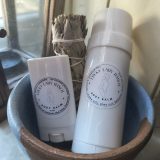 Body BalmUnrefined shea and organic beeswax for hard working skin.
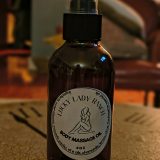 Body OilA silky blend of high quality oils for moisture and massage.
Questions people ask
What is the skin barrier?
It is the outermost layer of the skin, the stratum corneum. It is made of flattened skin cells held together by fats such as ceramides, cholesterol and fatty acids. It keeps water in and helps keep irritants and microbes out.
What are signs of a damaged skin barrier?
Common signs include tightness after washing, flaking, itchiness, rough patches and stinging when you apply products. Persistent redness, weeping or severe itching should be checked by a doctor or dermatologist.
How long does it take for the skin barrier to recover?
Many people notice improvement within a few days of gentler habits, but full recovery can take a few weeks, since the outer layer of skin renews itself gradually.
Do hot showers damage your skin barrier?
Frequent long, hot showers can remove more of the skin's protective oils and leave it dry. Lukewarm water and shorter showers are gentler, especially in winter.
Does soap damage the skin barrier?
Harsh or very frequent cleansing can. True soap is alkaline and may temporarily raise skin surface pH. Using a mild soap only where needed and moisturizing afterward helps most people keep their skin comfortable.
Sources and further reading
- American Academy of Dermatology, Dermatologists' Top Tips for Relieving Dry Skin
- Elias P.M., Stratum Corneum Defensive Functions: An Integrated View, Journal of Investigative Dermatology (2005)
- Lambers H. et al., Natural Skin Surface pH Is on Average Below 5, Which Is Beneficial for Its Resident Flora, International Journal of Cosmetic Science (2006)
- National Eczema Association, Eczema and the Skin Barrier
- Cleveland Clinic, Skin Barrier: Function, Structure and Care
This guide is for general education and is not medical advice. If you have a skin condition, allergy, or are pregnant or nursing, talk with your doctor or a board certified dermatologist about the products that are right for you.