How to Moisturize After a Shower: The Damp Skin Method
The few minutes after a shower are the best time to moisturize. Here is the damp skin method, step by step, with timing, amounts and fixes for common problems.

Key takeaways
- Moisturize within about three minutes of turning off the water, while skin is still damp.
- Pat skin with a towel instead of rubbing, leaving a light film of water behind.
- Oil spreads and absorbs better on damp skin, and a balm on top helps seal in water on very dry areas.
- Lukewarm water and a short shower make every moisturizer work better.
If your skin feels tight an hour after a shower no matter what you put on it, the problem may be timing rather than the product. Learning how to moisturize after a shower properly is one of the simplest changes you can make, and it costs nothing. The method dermatologists often recommend is easy to remember: moisturize while your skin is still damp. This guide explains why it works and walks through the steps, with notes on oils, balms and the most common mistakes.
Why damp skin matters
During a shower, the outer layer of your skin absorbs some water. That is why fingertips wrinkle in a long bath. The moment you step out, that water starts to evaporate. As it leaves, it can take some of the skin's own moisture with it, especially in dry or heated indoor air. That is the tight, slightly itchy feeling many people know well.
Applying a moisturizer while the skin is still damp helps trap some of that water before it escapes. Oils and balms slow evaporation by forming a light layer over the skin. Our plain English guide to your skin barrier explains what that outer layer does and why it loses water.
The American Academy of Dermatology suggests applying moisturizer within a few minutes of drying off, and the National Eczema Association teaches a similar soak and seal approach for very dry skin.
The damp skin method, step by step
- Keep the shower short and lukewarm. Five to ten minutes is plenty. Hot water strips more oil from the skin, so the less heat, the less you have to replace.
- Use a mild soap only where you need it. Underarms, groin, feet and anywhere sweaty or dirty. A gentle bar made from plant oils is kinder than a strong detergent wash.
- Turn off the water and stay in the shower or tub for a moment. The steamy air keeps skin from drying while you start.
- Pat, do not rub. Press a towel lightly over your skin to remove drips. You want skin damp, not wet and not dry.
- Apply oil within about three minutes. Pour a small amount into your palm, rub your hands together, and smooth it over one area at a time. The water on your skin helps the oil spread in a thin, even layer.
- Massage until the skin no longer looks wet. It takes about a minute. Long strokes on arms and legs, circles on knees and elbows.
- Add balm to the driest spots. Shins, elbows, heels and hands can take a thin layer of balm over the oil.
- Wait a minute or two before dressing. Give the oil a moment to settle so it does not transfer to clothes.
How much to use
Most people use more than they need, then decide body oil is greasy. Start small and add more only if your skin drinks it in.
| Area | Body oil | Balm |
|---|---|---|
| Each arm | 3 to 4 drops, or half a teaspoon for the whole arm on very dry skin | Usually not needed |
| Each leg | 5 to 6 drops | A pea sized amount on the shin if dry |
| Torso and back | 5 to 8 drops | Not usually needed |
| Hands | 1 to 2 drops | A pea sized amount, worked into knuckles |
| Feet and heels | 2 drops | A pea sized amount per heel |
These are starting points. Thick or very dry skin may need more, and humid summers less.
Oil, balm or lotion?
The damp skin method works with any moisturizer, but it is especially useful with oils. On dry skin, oil softens without adding water. On damp skin, it helps hold water in, so you get much of the hydration people associate with a lotion while keeping a short, water free ingredient list. If you are deciding between textures, our comparison of lotion, body balm and body oil breaks down the options.
Lighter oils such as sunflower, grapeseed or jojoba disappear quickly. Richer ones such as avocado or olive linger longer and suit drier skin. Our guide to the best carrier oils for body oil compares them.
Troubleshooting
"My skin still feels dry."
Check the basics first: water temperature, shower length and soap. If those are gentle, try applying sooner after the water goes off and add a balm layer on the driest areas. A humidifier in the bedroom during winter can help too.
"It feels greasy."
Use fewer drops, apply on wetter skin so it spreads thinner, and massage a little longer. Switch to a lighter oil for summer.
"Oil stains my clothes."
Give it two or three minutes before dressing. Cotton pajamas at night are a good time for richer applications.
"My skin stings when I apply."
Very dry or cracked skin can sting briefly. If stinging continues, or you see redness, stop and try an unscented product. Essential oils can bother compromised skin. Persistent itching, rash or cracking is worth showing to a dermatologist.
A safety note about slippery floors
Oiling up while standing in the tub is efficient, but oil makes surfaces slick. Step onto a bath mat first, or wipe the tub floor afterward. It is a small habit that prevents falls, especially for older family members.
Beyond the shower
The same principle works for hands. After washing your hands, pat them almost dry and rub in a drop of oil or a little balm. People who wash their hands often for work notice a real difference. For cracked heels and knuckles, see our routine for rough hands and cracked heels.
Making it a habit
Keep your oil on the edge of the tub or on a shelf right beside the shower, away from direct spray, so it is within reach the moment the water stops. At Lucky Lady Ranch, we reach for our Body Oil straight out of the shower and keep our Body Balm nearby for heels and elbows. It takes about two minutes, and for most skin, it is the single most useful step in a simple chemical free body care routine.
From the ranch
Made in small batches, without the ingredients discussed above.
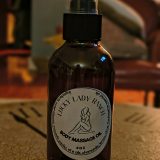 Body OilA silky blend of high quality oils for moisture and massage.
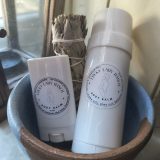 Body BalmUnrefined shea and organic beeswax for hard working skin.
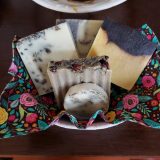 Body BarA true cold process soap for gentle, everyday cleansing.
Questions people ask
Should I put lotion on wet or dry skin?
Damp is best. Pat off the drips with a towel and apply your moisturizer within a few minutes, while there is still a light film of water on your skin. This helps hold that water in.
Can you put body oil on wet skin?
Yes. Body oil spreads more easily and absorbs better on damp skin. Pat away excess water first so the oil is not just sliding off, then massage it in until the skin no longer looks wet.
Why is my skin so dry after a shower?
Hot water, long showers and strong soaps all remove natural oils, and water evaporating from the skin afterward can leave it tight. A shorter, lukewarm shower and moisturizing on damp skin usually help.
How long should I wait after a shower to moisturize?
Not long. Dermatologists commonly suggest moisturizing within about three minutes of turning off the water, before your skin fully dries.
Sources and further reading
- American Academy of Dermatology, Dermatologists' Top Tips for Relieving Dry Skin
- National Eczema Association, Bathing and Moisturizing: Soak and Seal
- Cleveland Clinic, Dry Skin (Xerosis)
- MedlinePlus, US National Library of Medicine, Dry Skin
This guide is for general education and is not medical advice. If you have a skin condition, allergy, or are pregnant or nursing, talk with your doctor or a board certified dermatologist about the products that are right for you.