Rough Hands and Cracked Heels: A Natural Care Routine
Rough hands and cracked heels respond to the same few habits: gentle washing, careful smoothing, and a thick balm sealed in overnight. Here is the routine.
Key takeaways
- Hands and heels crack when thick, dry skin loses flexibility and splits under pressure.
- A thick balm under cotton gloves or socks overnight is one of the simplest, most effective habits.
- File heels gently and never cut or shave calluses at home.
- People with diabetes or poor circulation should have foot cracks checked by a doctor or podiatrist.
Rough hands and cracked heels tend to show up together. Both are places where skin works hard, gets washed often or carries weight, and has fewer oil glands than the rest of the body. A natural care routine for them is not complicated. It mostly comes down to three habits: wash gently, smooth carefully, and seal in moisture overnight. This is chemical free body care at its most practical, built on plain butters, oils and wax rather than strong peeling agents.
Why hands and heels crack
When skin dries out, it loses flexibility. On hands, constant washing, cold air and work strip away natural oils until the skin around knuckles and fingertips splits when you bend them. On heels, skin thickens into a callus to cushion each step. Thick callus that is also dry cannot stretch, so as the heel spreads under your weight, it splits along the edges.
Common contributors include:
- Frequent hand washing with harsh soaps or sanitizer.
- Dish water, cleaning products, garden soil and cold wind.
- Open back shoes and sandals, which let the heel spread and dry.
- Standing for long hours.
- Dry indoor air in winter.
Our guide to caring for very dry skin covers the whole body version of this problem. Here we focus on the two spots that need extra attention.
The hand routine
During the day
- Wash with lukewarm water and a gentle bar. Hot water feels good on cold hands but pulls oil away faster.
- Pat dry, including between fingers.
- Apply a small amount of balm right away. A pea sized dab is enough. Warm it between your palms, then press it into the backs of your hands, knuckles and cuticles.
- Wear gloves for wet work and outdoor work. Rubber or nitrile gloves for dishes and cleaning (cotton liners help if they make your hands sweat), and work gloves for the garden or barn.
At night
- Wash and pat dry.
- Apply a generous layer of balm, focusing on cracks and knuckles.
- Rub a drop of oil into each cuticle. Our Nail Oil is made for exactly this.
- Slip on clean cotton gloves and sleep in them, or wear them for an hour while you read.
Most people notice softer hands within a few nights of this routine.
The cracked heel routine
Two or three times a week: soften and smooth
- Soak feet in warm water for about ten minutes. A handful of salt is optional. A relaxing bath soak works too.
- Pat feet mostly dry.
- Use a foot file or pumice stone gently on the thickened areas, with light strokes in one direction. Stop while the skin still feels slightly firm. The goal is to thin the callus a little, not remove it.
- Rinse and apply balm.
Some people prefer filing dry skin before soaking, since it is easier to see how much you have removed. Either way, gentle and often beats hard and occasional.
Every night: seal and protect
- Massage a thick layer of balm into heels, the balls of the feet and around the edges.
- Pull on clean cotton socks.
- Go to bed. By morning the balm will have worked its way in.
What not to do
- Do not cut, shave or use razor tools on calluses at home. It is easy to take off too much or cause a wound.
- Do not file until skin is raw. Over filing can prompt even thicker callus.
- Avoid walking barefoot on hard floors for long stretches while heels are healing.
Choosing a balm for hands and heels
For these areas, thicker is usually better. Water based lotions feel nice but tend to disappear quickly on hard working skin. A balm made with shea butter and beeswax sits on the surface longer and keeps working while you sleep. Our explainer on what a beeswax balm does explains why wax helps, and the comparison of lotion vs balm vs body oil helps if you are choosing between formats.
| Product | Best for | When |
|---|---|---|
| Thick balm (shea, beeswax) | Heels, knuckles, cracks | Night, and after washing |
| Nail or cuticle oil | Ragged cuticles, splitting nails | Night, or anytime |
| Light body oil | Whole hands, tops of feet | After a bath or shower |
| Gentle bar soap | Daily washing | Every wash |
Our shea butter and beeswax Body Balm is the one we reach for on the ranch after a day of fencing or gardening.
Shoes, socks and small changes
- Choose closed back shoes more often while heels heal. They hold the fat pad in place so the heel spreads less.
- Cushioned insoles help if you stand all day.
- Breathable socks keep feet from going from sweaty to dry over and over.
- Run a humidifier in winter if your whole household gets dry, cracked skin.
Outdoor workers face all of this at once. Our guide to body care for outdoor work has a full kit list for long days in sun, wind and dirt.
A one week reset
If your hands and heels are in rough shape right now, try this for seven days and then take stock:
- Days 1 to 7: balm after every hand wash, balm and cotton socks every night.
- Days 1, 3 and 5: a short warm foot soak and a few light passes with the file.
- Every day: gloves for dishes, cleaning and outdoor work, and closed back shoes when you can.
- Day 7: look closely. Shallow cracks should be closing and calluses should feel more flexible. Keep going with the nightly balm, and drop the filing to once a week once heels feel smooth.
After the reset, maintenance is easy: a tin of balm by the sink and another by the bed.
When to see a doctor or podiatrist
Most rough hands and dry heels improve with home care. Get a professional opinion if:
- Cracks are deep, bleed, or do not improve after two to three weeks of steady care.
- You see redness, warmth, swelling, pus or increasing pain, which can signal infection.
- You have diabetes, poor circulation or reduced feeling in your feet. Even small cracks matter, and many doctors recommend regular professional foot checks.
- Your hands have itchy blisters, scaling or a rash that comes and goes, which could be eczema or a reaction to something you touch.
Steady care, simple ingredients
Hands and heels do a lot for us and ask for very little in return: a gentle wash, a careful file, and a good balm under a pair of socks. That is the kind of honest, everyday body care Lucky Lady Ranch was built on. If your skin also reacts easily, our notes on body care for sensitive skin can help you choose with confidence.
From the ranch
Made in small batches, without the ingredients discussed above.
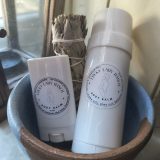 Body BalmUnrefined shea and organic beeswax for hard working skin.
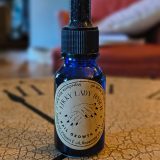 Nail OilA nourishing serum for strong looking nails and soft cuticles.
Questions people ask
How long does it take to fix cracked heels?
Many people see softer heels within a week of nightly balm and socks, and shallow cracks often close within two to three weeks. Deep or painful cracks, or cracks that do not improve, should be checked by a doctor or podiatrist.
Should I file my heels wet or dry?
Both work. Filing dry skin before soaking makes it easier to see how much you remove. Filing after a short soak feels gentler. Either way, use light strokes and stop before the skin feels tender.
Do socks over balm really help cracked heels?
Yes, for many people. Socks keep the balm on your heels instead of your sheets and slow moisture loss overnight, giving the skin time to soften.
Why do my hands crack more in winter?
Cold outdoor air and heated indoor air are both low in humidity, so skin loses water faster. Add frequent hand washing and hands can dry and split. Gloves outdoors and balm after each wash help a lot.
Is it safe to shave off calluses at home?
It is not recommended. Razor tools make it easy to remove too much skin or cause a cut that can become infected. Gentle filing is safer, and a podiatrist can handle very thick calluses.
Sources and further reading
- American Academy of Dermatology (AAD), How to treat cracked heels
- American Podiatric Medical Association (APMA), Foot health information
- MedlinePlus (US National Library of Medicine), Dry skin
- Centers for Disease Control and Prevention (CDC), Diabetes and Your Feet
This guide is for general education and is not medical advice. If you have a skin condition, allergy, or are pregnant or nursing, talk with your doctor or a board certified dermatologist about the products that are right for you.