What a Beeswax Balm Does for Hard Working Skin
Why a simple beeswax balm holds up where thin creams give out on hard working hands, heels and elbows, and how to get the most from each scoop.

Key takeaways
- A beeswax balm has no water, so it stays on skin longer and holds up to work, wind and washing better than most creams.
- Beeswax forms a flexible protective film, shea butter softens, and plant oils help the balm spread and sink in.
- Apply a small amount to damp skin, and use a thicker layer overnight on hands or heels.
- Deep cracks that bleed, look infected or do not improve deserve a visit to a doctor, especially with diabetes.
- Skip beeswax balms if you are allergic to bee products such as honey or propolis.
Some skin works harder than the rest. Hands that garden, wash dishes, haul feed or hold tools all day. Heels that carry you across concrete or barn floors. Elbows and knees that lean and kneel. This kind of dryness often laughs at a thin lotion that is gone in ten minutes. A beeswax balm for dry skin takes a different approach, and it is one of the most practical tools in chemical free body care.
Here is what is going on inside a good balm, how it differs from hand cream, and how to use it so it actually keeps up with your day.
Balm vs hand cream: the water question
Most hand creams are 60 to 80 percent water. Water feels refreshing and helps a cream spread, but it also evaporates, and it means the cream needs emulsifiers and preservatives. A balm is anhydrous, meaning it contains no water at all. It is made only of waxes, butters and oils, which gives it three advantages on hard working skin:
- It lasts. With nothing to evaporate, a balm stays on skin longer and keeps protecting through handwashing and outdoor air.
- It is concentrated. Every bit of it is a skin softening or protecting ingredient, so you use far less.
- It needs no synthetic preservatives. Without water, microbes have little to grow in. We explain why in why lotions need preservatives and balms do not.
The tradeoff is texture. A balm feels richer and takes a minute or two to settle in. Many people end up using cream during the day and balm at night, or balm on hands and heels and lighter products elsewhere. Our comparison of lotion vs body balm vs body oil covers when each fits.
What each ingredient does
| Ingredient | Label name | Job in the balm |
|---|---|---|
| Beeswax | Cera alba, beeswax | Forms a flexible, breathable film that slows water loss; gives the balm body |
| Shea butter | Butyrospermum parkii butter | Softens and smooths; melts into skin and makes the balm creamy |
| Plant oils | Varies (for example, sunflower or olive oil) | Help the balm spread and sink in; add fatty acids |
| Vitamin E | Tocopherol | Antioxidant that helps slow the oils from going rancid |
| Essential oils (optional) | Listed by plant name | Natural scent; should be used at gentle levels |
Beeswax is the backbone. On its own it is too hard to use, but blended with soft butter it creates a protective layer that is less greasy than petroleum jelly and stays flexible as hands move. If you are curious how beeswax compares to petroleum based ointments, read petroleum free moisturizers. For more on shea specifically, see shea butter vs cocoa butter.
How to use a balm on hard working skin
During the day
- Wash and lightly pat hands dry, leaving them a little damp.
- Take a pea sized amount and rub it between your palms until it softens and turns glossy.
- Press it into the backs of your hands, knuckles and cuticles first, since that is where cracks start.
- Wait a minute before picking up tools or a phone. Any remaining shine will fade.
Overnight for hands or heels
- Soak hands or feet in warm (not hot) water for a few minutes, or apply after a shower.
- Pat almost dry and apply a generous layer of balm.
- Put on clean cotton gloves or socks to hold it in and protect your sheets.
- Repeat for several nights in a row when skin is rough, then cut back to a few times a week.
Our full routine for this is in rough hands and cracked heels.
Small habits that help the balm work
- Wear gloves for wet work. Dishwater, cleaning products and cold, wet jobs strip skin faster than any balm can restore it.
- Use a gentle soap. Harsh detergents undo the work of a balm. A cold process bar is kinder than most liquid hand soaps.
- Reapply after washing. Keep a small tin by the sink, in the truck or in a coat pocket.
- Keep it cool. Balms soften in a hot vehicle. They still work, but store them out of direct sun to keep the oils fresh.
Who should be careful
Beeswax allergy is uncommon but real. If you react to honey, propolis or other bee products, skip beeswax balms or patch test with care, and consider a plant wax balm instead. People with tree nut allergies should check with a doctor about shea. If your balm contains essential oils and your skin is very reactive, choose an unscented version.
A balm is a cosmetic, not a treatment. See a doctor or dermatologist if cracks are deep, bleed, show signs of infection such as warmth, swelling or pus, or do not improve after a couple of weeks of care. People with diabetes or circulation problems should have foot cracks checked rather than managing them alone. Persistent hand rashes can also be contact dermatitis from something at work, which a dermatologist can help identify.
How much is enough?
Because a balm is concentrated, most people use too much at first and then decide it feels greasy. A pea sized amount is plenty for both hands. A piece about the size of a small grape covers both heels. If your skin still looks shiny after five minutes, use less next time. If it feels tight again within an hour of work, you likely need more frequent, thin applications rather than one thick one. Thin and often beats thick and rare during the day; save the thick layer for bedtime.
Signs of a good quality balm
- A short ingredient list where you recognize every item.
- Beeswax and a plant butter near the top.
- No petrolatum, paraffin or synthetic fragrance.
- A firm but scoopable texture that melts at the touch of a fingertip.
- A mild, natural scent. Rancid balm smells sharp or stale and is best replaced.
Shea based balms sometimes develop small grains if they get warm and cool again. That is harmless and the grains melt on skin.
Made for working hands
We live and work on a ranch, so our own hands were the first test of our Body Balm: unrefined shea butter, organic beeswax, vitamin E and essential oils, nothing else. For cuticles that split and catch, our Nail Oil pairs well underneath. A simple balm will not make work any easier, but it can make your skin a lot more comfortable doing it.
From the ranch
Made in small batches, without the ingredients discussed above.
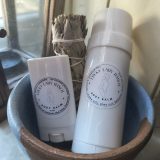 Body BalmUnrefined shea and organic beeswax for hard working skin.
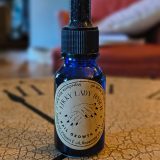 Nail OilA nourishing serum for strong looking nails and soft cuticles.
Questions people ask
Is beeswax balm good for dry skin?
Yes, for most people. Beeswax forms a protective film that slows water loss, and the butters and oils in the balm soften skin. It works best applied to slightly damp skin.
What is the difference between a balm and a hand cream?
A hand cream is mostly water with oils, emulsifiers and preservatives. A balm has no water and is made only of waxes, butters and oils, so it is more concentrated and longer lasting but feels richer.
Can I use beeswax balm on cracked heels?
Yes. Apply a generous layer after a shower or foot soak and wear cotton socks overnight. If cracks are deep, bleeding or painful, or if you have diabetes, see a doctor.
Does beeswax clog pores?
Beeswax is generally considered unlikely to clog pores, though richer balms can be heavy for breakout prone areas. On hands, feet, elbows and knees, clogging is rarely a concern.
Sources and further reading
- American Academy of Dermatology, How to Treat Dry, Cracked Hands
- American Academy of Dermatology, How to Treat Cracked Heels
- Cosmetic Ingredient Review (CIR), Safety Assessment of Beeswax and Related Waxes as Used in Cosmetics
- National Eczema Association, Hand Eczema
- American Diabetes Association, Foot Care
This guide is for general education and is not medical advice. If you have a skin condition, allergy, or are pregnant or nursing, talk with your doctor or a board certified dermatologist about the products that are right for you.