Petroleum Free Moisturizers: What Replaces Mineral Oil
What mineral oil and petrolatum actually do on skin, which plant butters, waxes and oils step into each role, and how to swap without losing comfort.

Key takeaways
- Mineral oil and petrolatum work mainly as occlusives: they slow water loss by sitting on top of skin.
- Beeswax, candelilla wax and plant butters take over the occlusive job; plant oils add slip and softness.
- Plant based options are a little less airtight than petroleum jelly but bring fatty acids and natural vitamins.
- Apply any occlusive to slightly damp skin, because it holds in water rather than adding it.
- Look for petrolatum, paraffinum liquidum, paraffin and microcrystalline wax on labels if you want to avoid petroleum.
If you are moving toward chemical free body care, the petroleum jelly tub is often one of the last things to go. It is cheap, it works, and it has been in medicine cabinets for generations. So it is fair to ask: what do petroleum free moisturizers actually use instead, and will your skin notice the difference?
The short answer is that a few well chosen plant butters, waxes and oils can do the same job, with a slightly different feel. Here is how to match the right replacement to the right use.
What mineral oil and petrolatum really do
Moisturizing ingredients fall into three rough groups. Humectants such as glycerin and aloe draw water into the top layer of skin. Emollients such as plant oils fill in the tiny gaps between skin cells so skin feels smoother. Occlusives form a film that slows the evaporation of water from skin.
Petrolatum is one of the most effective occlusives known, and mineral oil is a lighter, liquid version with some emollient feel. Neither adds water or nutrients; they hold in what is already there. That is why petroleum jelly on dry skin can feel greasy but still leave skin dry underneath if there was little water to trap in the first place.
Cosmetic grade mineral oil and petrolatum are highly refined and are considered safe by regulators and most dermatologists. People choose to avoid them for other reasons: they are fossil fuel by products, they contribute nothing beyond a barrier, and some simply dislike the slick feel. For the full background, the main Lucky Lady Ranch guide to mineral oil and petrolatum covers the research.
Names petroleum ingredients use on labels
- Petrolatum, white petrolatum, petroleum jelly
- Mineral oil, paraffinum liquidum, liquid paraffin
- Paraffin, paraffin wax
- Microcrystalline wax (cera microcristallina)
- Ceresin and ozokerite (mineral waxes)
- Isoparaffins such as isohexadecane
The plant based replacements, by job
| Petroleum ingredient | Its job | Natural replacement | How it compares |
|---|---|---|---|
| Petrolatum | Heavy occlusive barrier | Beeswax blended with shea butter; candelilla wax for a vegan option | Slightly less airtight, less greasy, adds fatty acids |
| Mineral oil | Light occlusive and slip | Jojoba, sunflower, sweet almond or olive squalane | Absorbs more readily; plant oils can oxidize over time |
| Paraffin wax | Structure and firmness | Beeswax, candelilla, carnauba | Very similar firmness in balms and lip products |
| Microcrystalline wax | Flexible, glossy texture | Beeswax with a little castor oil | Similar gloss; natural honey scent from beeswax |
Beeswax: the closest match for petroleum jelly
Beeswax forms a flexible, breathable film on skin that slows water loss while still feeling comfortable. Blended with a soft butter it gives you a balm that protects like petroleum jelly but spreads more easily. We explain how a beeswax balm performs on hands, heels and elbows in what a beeswax balm does for hard working skin.
Plant butters: barrier plus nourishment
Shea butter and cocoa butter are solid fats that melt on contact with skin. They are partly occlusive and partly emollient, and unrefined shea also carries natural compounds that refining removes. If you are deciding between the two, see shea butter vs cocoa butter for body care.
Plant oils: the mineral oil swap
For a liquid moisturizer or massage oil, jojoba is the most stable choice, since it is technically a liquid wax and resists rancidity well. Sunflower, sweet almond and avocado oils feel richer. Squalane, often made from olives or sugarcane, gives the light, nongreasy slip people like about mineral oil. Our guide to the best carrier oils for body oil compares them in detail.
Honest tradeoffs
Plant based moisturizers are not identical to petroleum, and it helps to know the differences before you switch.
- Occlusion. Pure petrolatum is a stronger barrier than most natural blends. For everyday dry skin this rarely matters. For specific medical uses, follow your doctor's advice.
- Shelf life. Plant oils can slowly go rancid. Vitamin E helps slow this, and storing products away from heat and sunlight helps more. Our guide to storing natural body care has simple rules.
- Allergies. Plant ingredients are not allergy free. People allergic to bee products should avoid beeswax, and those with nut allergies may want to check with a doctor about nut derived oils and butters.
- Scent. Unrefined butters and beeswax have a light natural scent. Many people grow to like it.
- Cost. A natural balm costs more per ounce than a tub of petroleum jelly, but because balms are concentrated, a small amount covers a lot of skin.
How to use a petroleum free moisturizer well
- Start with damp skin. Occlusives hold water in, so apply right after a shower or after washing your hands, while skin is still slightly damp. The damp skin method explains the timing.
- Warm it first. Rub a small amount of balm between your palms until it turns glossy, then press it in rather than dragging it across skin.
- Use less than you think. A pea sized amount covers both hands. A little more covers both shins.
- Layer for very dry spots. A few drops of body oil followed by a thin layer of balm works well on elbows, knees and heels.
- Give it a week. Skin that is used to a heavy petroleum film may feel different at first. Most people settle into the new feel quickly.
Where petroleum hides in a routine
It is easy to swap the obvious tub and miss the rest. Check your lip balm, baby products, hand cream, foot cream and any "healing ointment" in the bathroom. Lip balm is a common one: many classic sticks are built on petrolatum and paraffin. A beeswax lip balm makes an easy first swap because the texture is so close.
Our approach
At Lucky Lady Ranch, every balm we make uses beeswax and plant butters in place of petroleum. Our Body Balm is unrefined shea butter, organic beeswax, vitamin E and essential oils, which covers the heavy barrier job petroleum jelly used to do. For lips, our beeswax Lip Balm pairs shea and cocoa butter with plant oils. They will not feel exactly like petroleum jelly, and that is the point: skin that feels cared for, not coated.
From the ranch
Made in small batches, without the ingredients discussed above.
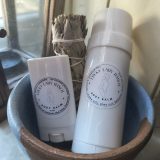 Body BalmUnrefined shea and organic beeswax for hard working skin.
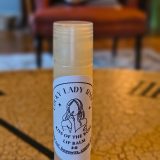 Lip BalmLip Love: our beauty oil blend with shea, cocoa butter and beeswax.
Questions people ask
What is a natural alternative to petroleum jelly?
A balm made from beeswax and shea butter is the closest natural match. Beeswax provides a protective film and shea softens and melts into skin. Candelilla wax is a common plant based option for people who avoid bee products.
Is petroleum jelly bad for your skin?
Cosmetic grade petroleum jelly is highly refined and considered safe for most people. Some choose to avoid it because it is a fossil fuel by product that only seals skin without adding fatty acids or natural vitamins.
Do petroleum free moisturizers work as well?
For everyday dryness, most people find a good beeswax and shea balm works very well. Pure petrolatum is a stronger barrier, so if a doctor recommended it for a specific condition, ask before switching.
How do I know if a moisturizer contains petroleum?
Look for petrolatum, mineral oil, paraffinum liquidum, paraffin, microcrystalline wax, ceresin, ozokerite or isoparaffins in the ingredient list. Front labels rarely mention them.
Sources and further reading
- US Food and Drug Administration (FDA), Skin Protectant Drug Products for Over the Counter Human Use (21 CFR Part 347)
- Cosmetic Ingredient Review (CIR), Safety Assessment of Petrolatum and Mineral Oil
- American Academy of Dermatology, Dermatologists' Tips for Relieving Dry Skin
- European Commission, CosIng database entries for Paraffinum Liquidum and Petrolatum
- Cosmetic Ingredient Review (CIR), Safety Assessment of Beeswax and Related Waxes
This guide is for general education and is not medical advice. If you have a skin condition, allergy, or are pregnant or nursing, talk with your doctor or a board certified dermatologist about the products that are right for you.