Shea Butter vs Cocoa Butter for Body Care
Two classic plant butters, side by side: how shea and cocoa butter feel, smell and behave on skin, and how to pick one for your body care routine.

Key takeaways
- Shea butter is soft and creamy at room temperature; cocoa butter is hard and brittle until it warms.
- Shea suits most skin types for daily body use; cocoa butter is richer and more protective but heavier.
- Cocoa butter is more often reported to clog pores, so keep it off breakout prone areas.
- Research has not shown that either butter prevents stretch marks, though both help skin feel soft and supple.
- Many of the best balms use both: shea for creaminess, cocoa for firmness and glide.
Shea butter and cocoa butter are the two most common plant butters in natural body care, and they often appear on the same label. They are not interchangeable, though. If you are comparing shea butter vs cocoa butter for your own routine, the differences come down to texture, scent, how they melt, and how your particular skin responds.
Here is a practical side by side, written for people choosing chemical free body care products rather than making them from scratch.
Where each butter comes from
Shea butter is pressed from the nuts of the shea tree (Vitellaria paradoxa), which grows across the savanna belt of West and Central Africa. Women's cooperatives in the region have produced it by hand for centuries, and much of the world's supply still starts that way. On labels it appears as Butyrospermum parkii butter.
Cocoa butter is the pale fat pressed from roasted cacao beans (Theobroma cacao), the same beans used for chocolate. It is grown in tropical regions including West Africa and Latin America. On labels it appears as Theobroma cacao seed butter.
Side by side
| Shea butter | Cocoa butter | |
|---|---|---|
| Texture at room temperature | Soft, scoopable, creamy | Hard and brittle, snaps like chocolate |
| On skin | Melts slowly, absorbs moderately | Melts quickly at body heat, leaves a richer film |
| Scent (unrefined) | Mild, nutty, slightly smoky | Distinct chocolate aroma |
| Main fatty acids | Stearic and oleic | Stearic, palmitic and oleic |
| Pore clogging reputation | Generally low | Moderate to high for some people |
| Best for | Daily body moisture, hands, scalp ends, most skin types | Very dry patches, lips, elbows, heels, firming balms and bars |
| Quirks | Can turn grainy if melted and cooled slowly | Can develop a white "bloom" in warm weather |
How they feel in real use
Shea is the everyday butter. It spreads easily straight from the jar, sinks in over a few minutes, and leaves skin soft without a heavy coat. Unrefined shea also contains a relatively high share of unsaponifiables, the natural compounds that are not fats, which is part of why many people find it especially soothing. We cover shea in depth on the main site in shea butter benefits for skin, lips and hair.
Cocoa butter is the protector. Because it is solid at room temperature but melts right around body temperature, it glides on smoothly and then sets into a richer film. That makes it excellent for lips, knuckles and cracked heels, and it gives balms and lip sticks their firm, smooth body. On its own, though, it can feel heavy across large areas of skin.
Which is better for dry skin?
Both help dry skin, in slightly different ways. Shea is better for regular, all over use, especially after a shower. Cocoa butter is better for small areas that need extra protection from wind, cold or friction. If your skin is very dry, a balm that combines both often feels best: shea for comfort, cocoa for staying power. Our guide to caring for very dry skin explains how to layer them with oils.
Which is better for breakout prone skin?
Cocoa butter is often listed as more likely to clog pores than shea, and some people notice bumps when they use it on the chest, back or face. Pore clogging ratings come from older, limited testing, so they are a rough guide rather than a rule. If you are prone to body breakouts, try shea first and keep cocoa butter to lips, hands and feet.
What about stretch marks?
Cocoa butter is famous for stretch marks, especially in pregnancy. Clinical studies in pregnant women, however, have not found that cocoa butter lotions prevent stretch marks better than a plain lotion without it. The same is true for most topical products: genetics and how quickly skin stretches play a large role. Either butter can help skin feel softer and less itchy as it stretches, which many people find comforting. See gentle body care during pregnancy for a calm, simple routine, and check with your doctor or midwife about any product concerns.
Allergies and sensitivities
Shea comes from a tree nut. Allergic reactions to shea butter appear to be rare, likely because the butter contains very little nut protein, but people with tree nut allergies should talk with their doctor before using it. Cocoa butter reactions are also uncommon. Unrefined cocoa butter carries a strong scent that some people find too much; deodorized versions exist for that reason. As with any new product, a small patch test on the inner arm for a day or two is sensible.
Refined or unrefined?
- Unrefined shea keeps more of its natural compounds and its mild nutty scent. It is usually ivory to pale yellow. Look for it if you want the fullest skin feel.
- Refined shea is white and nearly odorless. It is still moisturizing but has lost some of its natural extras in processing.
- Unrefined cocoa butter smells like chocolate and keeps its natural antioxidants.
- Deodorized cocoa butter is steam treated to remove the scent, which suits products where chocolate would clash with other aromas.
Avoid any butter that smells sour, waxy or like old crayons, which can mean it has gone rancid. Our tips on storing natural body care help both butters last.
How to use each one
- Shea, daily: warm a fingertip of butter between your palms and press it into damp skin after showering. It works well on legs, arms and hands.
- Cocoa, targeted: rub a small piece directly on heels, elbows or knuckles before bed, or choose a lip balm that contains it.
- Both, together: a balm with shea as the main butter and a smaller share of cocoa gives you creaminess plus protection.
- With oils: if either butter feels too heavy, apply a few drops of a light carrier oil first, then a thin layer of butter.
How we use them at Lucky Lady Ranch
We lean on shea as our everyday workhorse. Our Body Balm is built on unrefined shea butter with organic beeswax and vitamin E, so it stays soft enough to scoop and spreads easily over large areas. Our Lip Balm uses both shea and cocoa butter, because lips are exactly where cocoa butter's protective, glossy finish shines. Two butters, two jobs, and no synthetic fillers needed. For a broader look at the ingredients that make up a simple routine, start with what chemical free body care really means.
From the ranch
Made in small batches, without the ingredients discussed above.
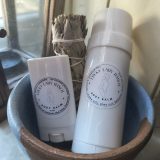 Body BalmUnrefined shea and organic beeswax for hard working skin.
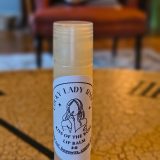 Lip BalmLip Love: our beauty oil blend with shea, cocoa butter and beeswax.
Questions people ask
Is shea butter or cocoa butter better for dry skin?
Shea butter is usually better for all over daily use because it is softer and absorbs more easily. Cocoa butter is richer and more protective, so it works best on small, very dry areas like heels, elbows and lips.
Does cocoa butter clog pores?
Cocoa butter is often rated as more likely to clog pores than shea, and some people get bumps when using it on the face, chest or back. If you are breakout prone, use it only on lips, hands and feet.
Can you mix shea butter and cocoa butter?
Yes. Many balms and lip products combine them. Shea adds a creamy, soft texture and cocoa butter adds firmness, glide and a protective finish.
Does cocoa butter get rid of stretch marks?
Studies in pregnant women have not shown that cocoa butter prevents or removes stretch marks. It can help stretching skin feel softer and more comfortable, which many people appreciate.
Why does my shea butter feel grainy?
Shea contains fats that solidify at different temperatures. If it melts and cools slowly, small crystals form and feel grainy. It is harmless and the grains melt as soon as they touch warm skin.
Sources and further reading
- Cosmetic Ingredient Review (CIR), Safety Assessment of Plant Derived Fatty Acid Oils
- Cosmetic Ingredient Review (CIR), Safety Assessment of Theobroma Cacao (Cocoa) Derived Ingredients
- Buchanan K, Fletcher HM, Reid M. Prevention of striae gravidarum with cocoa butter cream. International Journal of Gynecology and Obstetrics, 2010
- Osman H et al. Cocoa butter lotion for prevention of striae gravidarum: a double blind, randomized and placebo controlled trial. BJOG, 2008
- Food and Agriculture Organization of the United Nations (FAO), shea butter production in West Africa
This guide is for general education and is not medical advice. If you have a skin condition, allergy, or are pregnant or nursing, talk with your doctor or a board certified dermatologist about the products that are right for you.