Vitamin E (Tocopherol) in Natural Body Care
Why vitamin E shows up in so many natural balms and oils, what it does for skin and for the product itself, and the label names worth knowing.

Key takeaways
- Vitamin E is a family of fat soluble antioxidants; tocopherol is the form most used in natural body care.
- In balms and oils, vitamin E mainly slows oxidation, so the oils stay fresh longer.
- It is an antioxidant, not a preservative: it does not stop bacteria or mold from growing in water based products.
- Research does not support rubbing vitamin E on scars, and some people develop a rash from it.
- Tocopherol and tocopheryl acetate both appear on labels; they behave a little differently.
Turn over almost any natural balm, body oil or lip balm and you will find one word near the end of the list: tocopherol. Vitamin E is one of the quiet workhorses of chemical free body care. Understanding vitamin E tocopherol helps you read labels with more confidence, and helps you separate what it really does from what it is often said to do.
What vitamin E is
Vitamin E is not a single compound but a family of eight related, fat soluble molecules: four tocopherols and four tocotrienols. Alpha tocopherol is the form the human body uses most. In skin, vitamin E is one of the natural antioxidants that help protect the fats in the outer layers from oxidation, and it is delivered to the skin's surface partly through sebum.
Plant oils such as sunflower, wheat germ and almond are rich natural sources, which is one reason natural body care so often contains it whether or not it is listed separately.
Names you will see on labels
| Label name | What it is | Notes |
|---|---|---|
| Tocopherol | Vitamin E, often a mix of tocopherols from plant oils | The most common form in natural products; active antioxidant |
| Mixed tocopherols | Natural blend of alpha, beta, gamma and delta tocopherols | Especially good at protecting oils from rancidity |
| d-alpha tocopherol | Natural source alpha tocopherol | The "d" indicates the natural form |
| dl-alpha tocopherol | Synthetic alpha tocopherol | A mix of forms; works as an antioxidant but is not plant derived |
| Tocopheryl acetate | A more stable ester of vitamin E | Resists oxidation in the jar; skin converts only part of it to active vitamin E |
If a natural brand lists "tocopherol" or "mixed tocopherols," it is usually the plant derived form. Tocopheryl acetate is common in mainstream lotions because it is more stable on the shelf, but because it is less active as an antioxidant until skin converts it, it does less to protect the oils in the product itself.
What vitamin E does in a product
Plant oils and butters slowly react with oxygen over time, a process called oxidation. Oxidized oils smell stale or like old crayons, lose some of their skin softening qualities and may be more irritating. Vitamin E slows that process by neutralizing the reactive molecules that drive it. In a balm or oil, a small amount helps the product stay fresh longer, especially when it contains delicate oils such as rosehip or grapeseed.
It is an antioxidant, not a preservative
This is the most common misunderstanding. Vitamin E protects oils from going rancid. It does nothing to stop bacteria, yeast or mold. That is why it works well in anhydrous products like balms and oils, which contain no water for microbes to grow in, but cannot replace a true preservative in a water based lotion. Our guide to why lotions need preservatives and balms do not explains the difference. If you make your own lotion with water and only vitamin E, it is not preserved.
What vitamin E does for skin
Applied to skin, vitamin E is an oily, emollient ingredient that helps skin feel soft and smooth. Laboratory and some human studies suggest topical vitamin E can support the skin's own antioxidant defenses, and it is often paired with vitamin C in serums for that reason. It is not a sunscreen, though, and it does not replace sun protection; for outdoor days, see mineral sun protection for the body.
What about scars?
Breaking open a vitamin E capsule over a healing scar is a well known home remedy. The research does not support it. Small controlled studies have found that vitamin E applied to surgical scars did not improve their appearance compared with a plain ointment, and some participants developed contact dermatitis from the vitamin E. If you are concerned about a scar, a dermatologist can suggest approaches with better evidence. Massaging a scar gently with any bland balm or oil, once it has fully closed, may help it feel more comfortable.
Natural or synthetic: does it matter?
For protecting oils in a jar, both natural and synthetic tocopherol work. The difference matters more in the body, where the natural d-alpha form is used more readily, and to shoppers who prefer plant derived ingredients. Natural mixed tocopherols also bring gamma and delta tocopherols, which are particularly good at guarding oils against rancidity. That is why natural brands tend to favor them.
Who should be careful
Vitamin E is generally well tolerated in cosmetics, but allergic contact dermatitis has been reported, especially with high concentrations or pure vitamin E oil on broken skin. People with very reactive skin may do better with products where vitamin E is a minor ingredient rather than applying it straight. Patch testing on the inner arm for a day or two is a good habit with any new product. Vitamin E supplements are a separate topic; talk with a doctor before taking them, particularly if you take blood thinning medication.
Quality and storage tips
- Look for natural tocopherol or mixed tocopherols in natural products.
- Expect it near the end of the list. It is effective at low levels, often well under one percent.
- Do not rely on it alone. Even with vitamin E, oils last longest stored cool, capped and out of sunlight. Our guide to storing natural body care has simple rules, and the main site covers natural product shelf life in depth.
- Trust your nose. If an oil or balm smells sharp, sour or like paint, vitamin E can no longer help; it is time to replace it.
Where it fits in a routine
Most people never need to buy vitamin E on its own. It is already working inside a good balm, body oil or lip balm, keeping those plant oils fresh from the first scoop to the last. When you choose carrier oils or plant butters with tocopherol on the label, you are getting a product designed to stay fresh without synthetic antioxidants like BHT.
How we use it
We add vitamin E to many of our products for exactly this reason. Our Body Balm pairs it with unrefined shea butter and beeswax, and our Beauty Oil uses it to protect delicate rosehip seed and prickly pear oils. It is a small ingredient doing an honest, unglamorous job, which is exactly what we look for in everything we make.
From the ranch
Made in small batches, without the ingredients discussed above.
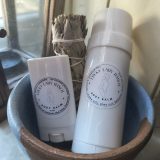 Body BalmUnrefined shea and organic beeswax for hard working skin.
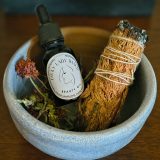 Beauty OilSeven plant oils for a soft, dewy, healthy looking face.
Questions people ask
Is vitamin E a preservative?
No. Vitamin E is an antioxidant that slows oils from going rancid. It does not prevent bacteria, yeast or mold, so it cannot replace a preservative in water based products like lotion.
What is the difference between tocopherol and tocopheryl acetate?
Tocopherol is the active form of vitamin E and protects oils in the product. Tocopheryl acetate is a more stable ester that resists oxidation in the jar, but skin converts only part of it into active vitamin E.
Does vitamin E oil help scars?
Controlled studies have not shown that vitamin E improves scars, and some people develop a rash from it. A dermatologist can suggest options with better evidence.
Is natural vitamin E better than synthetic?
Natural vitamin E (d-alpha tocopherol or mixed tocopherols) is plant derived and is the form the body uses most readily. Synthetic dl-alpha tocopherol still works as an antioxidant in products but is a mix of forms.
Can vitamin E cause skin irritation?
It is generally well tolerated, but allergic reactions have been reported, especially with pure vitamin E oil or on broken skin. Patch test new products if your skin is reactive.
Sources and further reading
- National Institutes of Health, Office of Dietary Supplements, Vitamin E Fact Sheet for Health Professionals
- Cosmetic Ingredient Review (CIR), Safety Assessment of Tocopherols as Used in Cosmetics
- Baumann LS, Spencer J. The effects of topical vitamin E on the cosmetic appearance of scars. Dermatologic Surgery, 1999
- Thiele JJ, Ekanayake-Mudiyanselage S. Vitamin E in human skin: organ specific physiology and considerations for its use in dermatology. Molecular Aspects of Medicine, 2007
- Linus Pauling Institute, Oregon State University, Micronutrient Information Center: Vitamin E and Skin Health
This guide is for general education and is not medical advice. If you have a skin condition, allergy, or are pregnant or nursing, talk with your doctor or a board certified dermatologist about the products that are right for you.