Mineral Sun Protection for Outdoor Days
Mineral sun protection works best as part of a plan: shade, clothing, a hat, and zinc oxide applied generously and reapplied often. Here is how to put it together.

Key takeaways
- Sunscreen is one layer of sun protection; shade, clothing and a wide brim hat do much of the work.
- Mineral sunscreens use zinc oxide or titanium dioxide, which the FDA has proposed as generally recognized as safe and effective.
- Apply generously and reapply at least every two hours, and after swimming, sweating or toweling off.
- No sunscreen is waterproof; FDA rules do not allow that claim. Follow your product's label and FDA guidance.
Long days outside, in the garden, at the lake, on the trail or out with the animals, call for a real sun plan. Mineral sun protection, built around zinc oxide, is a natural fit for people who prefer chemical free body care. But the sunscreen is only one part of the plan. This guide covers the whole picture for the body: what mineral sunscreen does, how to use it well, and the shade and clothing habits that make the biggest difference.
For a side by side look at how mineral and chemical filters compare, our main site has a full guide to mineral vs chemical sunscreen.
Think in layers
Dermatologists and the FDA both describe sun protection as a combination of habits rather than a single product. In order of how much they tend to help:
- Shade and timing. The sun's rays are strongest in the middle of the day. Plan heavy outdoor tasks for morning and late afternoon when you can, and use shade when you cannot.
- Clothing. Long sleeves, long pants and tightly woven fabrics block a lot of sun. Some clothing is tested and labeled with an ultraviolet protection factor (UPF).
- A wide brim hat for your face, ears and neck, and sunglasses that block UV for your eyes.
- Sunscreen on everything that is still exposed.
Sunscreen works best as the last layer, not the only one.
How mineral sunscreen works
Mineral sunscreens use zinc oxide or titanium dioxide as their active ingredients. These minerals sit on the skin and help block and scatter ultraviolet light. Zinc oxide covers a broad range of UVA and UVB. In its 2019 proposed rule on sunscreens, the FDA proposed that zinc oxide and titanium dioxide be considered generally recognized as safe and effective, the only two filters it proposed that status for at the time. Our main site explains zinc oxide as a sun filter in more depth.
When you shop, the FDA recommends choosing a broad spectrum sunscreen and following dermatologist and label guidance on protection level. Read the Drug Facts box on any sunscreen for its active ingredients and directions.
How to apply mineral sunscreen to your body
Most people use far less sunscreen than the amount used in testing, which means they get less protection than the label suggests. A few practical habits:
- Be generous. Dermatologists often describe about a shot glass worth to cover the exposed body of an adult.
- Apply before you go out, so it has time to settle before you start sweating.
- Warm thick formulas in your hands first. Mineral balms spread more easily when softened.
- Work in sections: arms, then legs, then neck and chest. Do not forget tops of feet, backs of hands, ears and the back of the neck.
- Ask for help with your back, or cover it with a shirt.
Reapplying
The FDA advises reapplying sunscreen at least every two hours, and more often if you are swimming or sweating, and right after toweling off. No sunscreen is waterproof or sweatproof. FDA rules do not allow sunscreens to be labeled that way, and a "water resistant" label must state how long the product was tested to hold up in water. Our Mineral Sunblock is a simple zinc oxide and beeswax formula. As with any sunscreen, follow the directions on its label and reapply often.
Living with the white cast
Zinc oxide can leave a white or pale tint, especially on deeper skin tones. A few tips:
- Apply thin layers and build up rather than one thick layer.
- Rub in with small circles, and give it a minute to settle.
- On the body, a light shirt over the shoulders reduces how much you need there.
Some white cast is a small price for a filter many people find gentle on their skin.
Honest notes on ingredients
- Plant oils are not sunscreen. Carrot seed oil, raspberry seed oil and coconut oil are sometimes described online as natural sun protection. They are not tested sunscreens and should not be relied on. In our sunblock, carrot seed essential oil is there for scent and feel; the zinc oxide does the protecting.
- Homemade sunscreen is risky. Without testing, there is no way to know how well a homemade mix protects, and zinc may not be evenly spread.
- Some chemical filters are under review. If you are avoiding them, our main site covers why oxybenzone and similar filters draw scrutiny.
After a day in the sun
Wash sunscreen off in the evening with gentle soap and lukewarm water. Mineral balms can take a second lather. Then moisturize, since sun, wind and sweat all dry skin. Our guide to the damp skin method works well here, and a light Body Oil feels soothing on warm skin.
If you do get a sunburn, cool showers, gentle moisturizer and staying out of the sun help many people feel more comfortable. See a doctor for blistering over a large area, fever, chills or feeling unwell.
Who should take extra care
- Babies under 6 months: the FDA recommends keeping them out of direct sun and asking a doctor before using sunscreen.
- People who work outdoors: daily, long exposure adds up. Our guide to body care for outdoor work has a full kit list.
- People with fair skin, many moles or a family history of skin cancer: regular skin checks with a dermatologist are worth discussing.
- People taking medicines that increase sun sensitivity: ask your doctor or pharmacist.
Pairing sunscreen and insect repellent
On summer days you may need both. The CDC advises applying sunscreen first and insect repellent second. Our guide to natural insect repellents explains how to choose one. Protect your lips too; see our guide to natural lip care.
A calm, layered approach
Mineral sun protection is not about fear of the outdoors. It is about enjoying long days outside and coming home comfortable. Shade, a good hat, a long sleeve shirt and zinc oxide used generously make a simple, reliable plan, and it is the one our family follows on the ranch.
From the ranch
Made in small batches, without the ingredients discussed above.
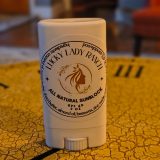 Mineral SunblockZinc oxide in a beeswax balm, without chemical UV filters.
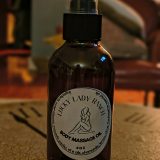 Body OilA silky blend of high quality oils for moisture and massage.
Questions people ask
Is mineral sunscreen better for your body than chemical sunscreen?
Many people prefer mineral sunscreen because zinc oxide and titanium dioxide are the two filters the FDA has proposed as generally recognized as safe and effective. Chemical filters are still allowed and are under further review. The best sunscreen is one you apply generously and reapply.
How often should I reapply mineral sunscreen?
The FDA advises reapplying at least every two hours, and more often when swimming or sweating, plus right after toweling off. Always follow the directions on your product's label.
Is any sunscreen waterproof?
No. FDA rules do not allow sunscreens to be labeled waterproof or sweatproof. A water resistant label must say how long it was tested to hold up in water, and you should reapply after swimming or sweating.
Can I use coconut oil or carrot seed oil as sunscreen?
No. Plant oils are not tested sunscreens and should not be relied on for sun protection. Use a tested sunscreen, such as one with zinc oxide, along with shade and clothing.
Sources and further reading
- US Food and Drug Administration (FDA), Sun Protection: How to Help Protect Your Skin from the Sun
- US Food and Drug Administration (FDA), Proposed Rule on Sunscreen Drug Products for Over the Counter Human Use (2019)
- American Academy of Dermatology (AAD), How to apply sunscreen
- Centers for Disease Control and Prevention (CDC), Sun Safety
- Skin Cancer Foundation, Sun protection guidelines
This guide is for general education and is not medical advice. If you have a skin condition, allergy, or are pregnant or nursing, talk with your doctor or a board certified dermatologist about the products that are right for you.