Natural Insect Repellents: What Works and Their Limits
Essential oil repellents can make a backyard evening more pleasant, but they have real limits. Here is how to use them well and when to reach for something stronger.

Key takeaways
- Essential oil repellents can help for short, casual time outdoors, but they usually wear off faster than registered repellents.
- Many essential oil sprays have not been reviewed by the EPA for effectiveness; an EPA registration number on the label means a product has been.
- When bites could carry illness, the CDC recommends EPA registered repellents, along with clothing and other habits.
- Apply sunscreen first and repellent second, and keep repellents away from eyes, mouth and broken skin.
On a summer evening, a natural insect repellent with citronella, lemongrass and peppermint can make sitting on the porch a lot more pleasant. Many people choose them because they would rather not use DEET every day, or simply prefer a plant based option. That is a reasonable choice, and it fits well with chemical free body care. It also comes with honest limits worth knowing, especially when bites are more than a nuisance.
This guide explains what natural repellents can and cannot do, how to use them well, and when official guidance points to something else.
How insect repellents work
Mosquitoes, ticks and other biting insects find you largely by smell: carbon dioxide from your breath, body heat, and compounds in your sweat and skin. Repellents make you harder to find or less appealing. They do not kill insects, and none of them create a force field. Every repellent, natural or not, wears off as it evaporates, rubs off or washes away with sweat.
Natural and registered repellents, side by side
| Essential oil sprays (citronella, lemongrass, peppermint and others) | EPA registered repellents | |
|---|---|---|
| Examples | Many plant based "natural bug sprays" | DEET, picaridin, IR3535, oil of lemon eucalyptus (OLE), PMD, 2-undecanone |
| Reviewed for effectiveness | Often not; many are sold under EPA's minimum risk exemption | Yes, EPA reviews data on safety and effectiveness |
| How long it lasts | Usually shorter; plan to reapply often | Labeled protection times based on testing |
| Best for | Short, casual time outdoors where bites are a nuisance | Hiking, camping, travel, and areas where bites can carry illness |
A note on oil of lemon eucalyptus: it sounds like an essential oil, but the registered ingredient is a refined product (PMD) and is different from plain lemon eucalyptus essential oil. The CDC advises against using OLE or PMD products on children under 3 years old.
What natural repellents can do well
- Make backyard time, gardening and short walks more comfortable.
- Offer a pleasant scent many people enjoy far more than a chemical smell.
- Give a DEET free option for people who prefer one for everyday, low risk situations.
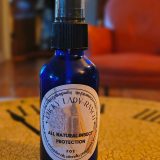
Our Natural Insect Protection is a blend of citronella, peppermint, lemongrass, lavender and sandalwood essential oils, made for exactly this kind of everyday comfort outdoors. Like any essential oil repellent, it works best when you reapply it often. It is not a substitute for an EPA registered repellent when the risk from bites is higher.
Where natural repellents fall short
- Shorter duration. Essential oils evaporate. Research on essential oil repellents generally finds they wear off sooner than registered options.
- Less testing. Products sold under the minimum risk exemption do not need to show the EPA how well they work.
- Ticks. Evidence for essential oils against ticks is limited.
- Skin reactions. Essential oils can irritate sensitive skin. Our guide to essential oils in body care covers safe use.
When to follow CDC and EPA guidance instead
Some mosquitoes and ticks can spread illnesses. In those situations, the Centers for Disease Control and Prevention (CDC) recommends using an EPA registered insect repellent and following the label. The EPA offers an online search tool to help you find a registered repellent that fits your needs. Consider following that guidance when you are:
- Traveling to an area where the CDC has issued notices about insect borne illness.
- Hiking, camping or working in tall grass, brush or woods where ticks are common.
- In your own area during a local health department alert.
- Caring for someone who is pregnant, very young or has a weakened immune system. In these cases, ask a doctor what is appropriate.
It is perfectly fine to use a natural repellent on an ordinary evening at home and a registered repellent on a camping trip. Matching the tool to the situation is the sensible approach.
How to apply any repellent
- Sunscreen first, repellent second. This is CDC guidance. Let sunscreen set before applying repellent. Our guide to mineral sun protection for outdoor days covers the sunscreen side.
- Apply to exposed skin and clothing, not under clothing.
- For your face, spray into your hands and pat on, avoiding eyes and mouth.
- Do not apply to cuts, wounds or irritated skin.
- Adults should apply repellent to children, avoiding their hands, eyes and mouth.
- Reapply as the label directs, or more often with essential oil sprays, after sweating or swimming.
- Wash it off with soap and water when you come inside.
Habits that reduce bites, whatever you use
- Cover up. Long sleeves and long pants in light colors help. Tucking pants into socks helps in tick country.
- Treated clothing. The CDC notes that clothing and gear treated with permethrin can help against ticks and mosquitoes. Permethrin is for fabric, not skin.
- Timing. Many mosquitoes are most active around dawn and dusk.
- Standing water. Empty buckets, plant saucers, birdbaths and gutters weekly to reduce mosquito breeding near your home.
- Screens and fans. A fan on the porch makes it harder for mosquitoes to fly to you.
- Tick checks. After time outdoors, check your body, children and pets, and shower soon after coming in.
After the bites
Wash bites with mild soap and water, and try not to scratch. A cool cloth can make itching more bearable. If you find an attached tick, remove it promptly with fine tipped tweezers as the CDC describes. See a doctor if you develop a rash, fever or other symptoms after a tick bite or after traveling, or if a bite looks infected. Our guide to body care for outdoor work covers end of day skin care after long days outside.
Storing and carrying your repellent
Essential oils break down faster with heat and light, so keep sprays capped, out of direct sun and out of a hot car when you can. A small bottle in a garden bag or by the back door makes reapplying easy, which matters more with natural sprays than with anything else. Keep all repellents out of reach of children.
An honest middle ground
Natural insect repellents earn their place for everyday comfort, and they are what we reach for on quiet evenings at the ranch. When the stakes are higher, we follow CDC and EPA guidance. Knowing both, and choosing for the situation, is what thoughtful, chemical free body care really looks like. For more on how we think about ingredients, see what chemical free body care means.
From the ranch
Made in small batches, without the ingredients discussed above.
Questions people ask
Do natural insect repellents actually work?
Many people find essential oil repellents helpful for short, casual time outdoors, but research generally shows they wear off faster than EPA registered repellents. Reapply often, and use a registered repellent when bites could carry illness.
Is citronella an effective mosquito repellent?
Citronella can repel mosquitoes for a short time, but it evaporates quickly, so protection fades sooner than with registered repellents. It works best for brief outdoor time when reapplied often.
Should I put on sunscreen or bug spray first?
Sunscreen first, then insect repellent. This is CDC guidance. Let the sunscreen set for a few minutes before applying repellent over it.
Are natural bug sprays safe for kids?
Essential oils can irritate young skin, and the CDC advises against oil of lemon eucalyptus or PMD for children under 3. Adults should apply any repellent to children, avoiding hands, eyes and mouth. Ask a pediatrician for guidance on young children.
What does an EPA registration number on bug spray mean?
It means the EPA has reviewed data on the product's safety and effectiveness when used as directed. Many essential oil sprays are sold under a minimum risk exemption and do not carry a registration number.
Sources and further reading
- Centers for Disease Control and Prevention (CDC), Preventing Mosquito Bites
- Centers for Disease Control and Prevention (CDC), Preventing Tick Bites
- US Environmental Protection Agency (EPA), Find the Repellent that is Right for You
- US Environmental Protection Agency (EPA), Minimum Risk Pesticides
- American Academy of Pediatrics (AAP), HealthyChildren.org, Choosing an Insect Repellent for Your Child
This guide is for general education and is not medical advice. If you have a skin condition, allergy, or are pregnant or nursing, talk with your doctor or a board certified dermatologist about the products that are right for you.