Caring for Very Dry Skin Without Harsh Products
Very dry skin usually improves when you wash more gently, moisturize damp skin and seal it with a rich balm. Here is a calm routine that works with your skin.

Key takeaways
- Very dry skin often has more to do with hot water and harsh cleansers than with what you put on afterward.
- Apply moisturizer within a few minutes of bathing, while skin is still damp, then seal it with a balm or oil.
- Rich, simple balms made from butters and beeswax tend to outlast thin lotions on very dry areas.
- Cracking, bleeding, or itching that keeps you up at night is a reason to see a doctor or dermatologist.
If your shins flake by lunchtime and your hands feel tight no matter how much lotion you use, you are dealing with very dry skin, and you are in good company. The good news is that very dry skin often responds well to a simpler routine, not a more complicated one. Chemical free body care, in the honest sense of leaving out harsh synthetic additives, fits this problem nicely: fewer stripping cleansers, fewer fragrances, and more of the plain butters, oils and waxes that help skin hold on to its own water.
This guide is about the practical side. What to change in the shower, what to put on afterward, and how to tell when dryness needs a professional opinion.
Why skin gets very dry
Your outer skin layer works like a brick wall, with skin cells as bricks and natural fats as mortar. When that mortar is thin or washed away, water escapes and skin feels rough, tight and itchy. Our guide to how the skin barrier works explains this in more detail.
Common reasons the barrier gets worn down:
- Hot water and long showers. Heat dissolves skin's natural oils faster.
- Strong detergent cleansers. Many body washes rely on foaming surfactants that clean very well, sometimes too well. Our main site has a deeper look at why harsh sulfates can strip skin.
- Dry air. Winter heating, air conditioning and desert climates all pull moisture from skin.
- Frequent hand washing. Necessary, but hard on hands.
- Age. Skin tends to produce less oil over time, so many people notice more dryness as they get older.
- Fragrance and other irritants. Irritated skin often becomes drier skin.
Step one: change what happens in the shower
Most people reach for a thicker cream first. Try adjusting the wash instead, because no moisturizer can keep up with a routine that strips skin every day.
- Turn the water down to warm. Comfortable, not steamy.
- Keep it short. Five to ten minutes is plenty for most days.
- Use a gentle cleanser, and only where you need it. Underarms, groin, feet and hands usually need soap daily. Arms, legs and back often do fine with a rinse on many days. A mild bar like our cold process Body Bar keeps its naturally formed glycerin, which many people find less drying than detergent washes.
- Skip rough scrubbing. Stiff brushes and harsh scrubs can make flaking worse on very dry skin.
- Pat, do not rub. Leave skin a little damp.
Step two: moisturize damp skin, then seal it
The single most helpful habit is putting moisture on within a few minutes of stepping out, while skin still holds some water. Our step by step guide to the damp skin method walks through the timing.
For very dry skin, think in two layers:
- A thin layer of oil or a light lotion on damp skin to soften.
- A balm on the driest spots to slow water loss. Balms built on shea butter and beeswax form a light protective film that stays put longer than a water based lotion.
Not sure which format suits you? Our comparison of lotion, body balm and body oil breaks down the differences by feel, staying power and season.
Matching the product to the area
| Area | What usually helps | Tip |
|---|---|---|
| Shins and outer arms | Body oil on damp skin, balm over the top | These areas have fewer oil glands, so they dry first. |
| Hands | Small amount of balm after each wash | Keep a tin at every sink. |
| Elbows and knees | Balm, massaged in | Gentle and steady beats aggressive scrubbing. |
| Feet and heels | Thick balm at night with cotton socks | See our routine for cracked heels. |
| Back and shoulders | Light oil | Easy to apply with damp hands after showering. |
What to look for on the label
When skin is already dry and reactive, shorter ingredient lists are easier to live with. Look for:
- Butters: shea and cocoa butter add richness. Our guide to shea butter vs cocoa butter explains how they feel different.
- Waxes: beeswax helps a balm sit on the surface. Read more about what a beeswax balm does.
- Plant oils: sunflower, jojoba, olive, avocado and sweet almond are common and well tolerated by many people.
- Vitamin E (tocopherol): helps keep oils fresh.
And consider going easy on:
- Added fragrance, whether synthetic or a heavy dose of essential oils.
- Products that tingle, sting or feel cooling, which can signal irritants for very dry skin.
- Alcohol high on the ingredient list in lotions and gels, which some people find drying.
A simple daily routine for very dry skin
Morning: rinse or wash briefly in warm water, pat dry, apply body oil to damp skin, add balm to hands, shins and any rough patches.
During the day: a pea sized amount of balm on hands after washing. In winter, gloves outdoors help more than you might expect.
Evening: a thicker layer of balm on hands and feet, then cotton gloves or socks if you like. Our shea butter and beeswax Body Balm was made for this kind of overnight care.
Weekly: look at what is working. If one spot stays rough, give it more balm and less scrubbing. Skin often takes a couple of weeks to settle after a routine change.
Around the house
- Run a humidifier in the bedroom during heating season.
- Choose soft, breathable fabrics like cotton next to the skin. Some people find wool itchy on dry skin.
- Try a fragrance free laundry detergent and skip dryer sheets if your skin itches after laundry day.
- Drink water as you normally would. Hydration matters for health, but it rarely fixes very dry skin on its own; what you do on the surface usually matters more.
When to see a doctor
Dry skin is common, but it is not always just dry skin. Talk with a doctor or dermatologist if you notice:
- Cracks that bleed or will not close.
- Itching that keeps you up at night.
- Red, scaly patches, oozing, or signs of infection such as warmth, swelling or pus.
- Dryness that appears suddenly or comes with other symptoms like fatigue or unexplained weight change.
Conditions like eczema, psoriasis and thyroid issues can all show up as dry skin, and they deserve proper care. If your skin also reacts easily, our guide to body care for sensitive skin covers patch testing and choosing simpler products.
The calm approach
Very dry skin rarely needs a cabinet full of products. It needs less stripping, steady moisture and a good balm in the places that work hardest. At Lucky Lady Ranch, that is how we make our own body care: a few honest ingredients, nothing harsh, and the patience to let skin do what it already knows how to do.
From the ranch
Made in small batches, without the ingredients discussed above.
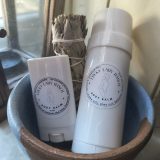 Body BalmUnrefined shea and organic beeswax for hard working skin.
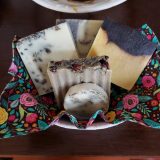 Body BarA true cold process soap for gentle, everyday cleansing.
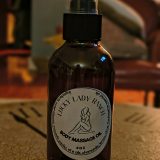 Body OilA silky blend of high quality oils for moisture and massage.
Questions people ask
Why is my skin still dry even though I moisturize every day?
Often the wash is the problem. Hot water, long showers and strong detergent cleansers can strip skin faster than any lotion can replace. Try warm water, a gentle bar soap only where needed, and moisturizer on damp skin, then seal with a balm.
Is a balm or a lotion better for very dry skin?
Many people with very dry skin prefer a balm because butters and beeswax form a protective layer that lasts longer. A lotion feels lighter and absorbs faster. Using a light oil or lotion first and a balm on the driest spots gives you both.
Does drinking more water fix dry skin?
Staying hydrated is good for your health, but research has not shown that extra water by itself fixes dry skin for most people. Gentler washing and sealing moisture in at the surface usually make a bigger difference.
When should I see a doctor about dry skin?
See a doctor or dermatologist if your skin cracks and bleeds, itches enough to disrupt sleep, shows red scaly patches or signs of infection, or if dryness appears suddenly with other symptoms.
Sources and further reading
- American Academy of Dermatology (AAD), Dermatologists' tips for relieving dry skin
- MedlinePlus (US National Library of Medicine), Dry skin
- Mayo Clinic, Dry skin: Symptoms and causes
- Cleveland Clinic, Dry Skin (Xerosis)
This guide is for general education and is not medical advice. If you have a skin condition, allergy, or are pregnant or nursing, talk with your doctor or a board certified dermatologist about the products that are right for you.