Lotion vs Body Balm vs Body Oil: Which Does Your Skin Need?
Lotion, balm and oil all moisturize, but they work in different ways. Here is how to choose the right one for your skin, your climate and your day.

Key takeaways
- Lotion is a mix of water and oil, balm is oils, butters and wax with no water, and body oil is pure oil.
- Balms seal in moisture best, oils soften and spread easily, and lotions feel lightest but need preservatives.
- Oil or balm applied to damp skin can give much of the hydration people expect from a lotion.
- Many people do well with body oil for everyday use and a balm for hands, heels and elbows.
Walk down any body care aisle and you will see three basic textures: lotion in a pump bottle, balm in a tin or jar, and oil in a bottle. They all promise softer skin, so the question of lotion vs body balm vs body oil is a fair one. The short answer is that they work in different ways, and the right choice depends on how dry your skin is, where you are applying it, the weather, and how you like a product to feel. This guide explains the differences in plain terms and helps you build a simple, chemical free body care combination that suits you.
Three ways to moisturize
Skin care chemists often group moisturizing ingredients into three roles:
- Humectants draw water into the outer layer of skin. Glycerin, honey and aloe are examples.
- Emollients fill in the small gaps between skin cells so skin feels smoother and softer. Most plant oils act this way.
- Occlusives form a light layer on top of the skin that slows water loss. Beeswax, shea butter and, on the conventional side, petrolatum do this well.
Each format leans on a different mix of these roles. Understanding that makes the choice much easier. For more about why holding water in matters, see our plain English guide to your skin barrier.
Lotion: water plus oil
A lotion is an emulsion: water (often most of the formula) blended with oils, held together by an emulsifier. It usually contains humectants like glycerin, and because it contains water, it must include a preservative to stop bacteria and mold from growing.
Good for: people who like a light, fast absorbing feel, humid climates, and skin that is only mildly dry.
Trade offs: the water evaporates, so on very dry skin the effect can fade quickly. Lotions also tend to have longer ingredient lists, including emulsifiers, thickeners, preservatives and often fragrance. We explain why preservatives are unavoidable in water based products in why lotions need preservatives and balms do not.
Body balm: oils, butters and wax
A balm contains no water. It is typically made from plant butters such as shea or cocoa, liquid oils, and a wax like beeswax that gives it body. Balms are rich, mostly emollient and occlusive, and they stay on the skin longer.
Good for: very dry skin, cracked heels, rough knuckles and elbows, cold or windy weather, and skin that works hard outdoors.
Trade offs: a balm feels heavier, takes a minute of rubbing to melt in, and can feel greasy if you use too much. A pea sized amount covers more skin than most people expect. If you want to know what beeswax specifically adds, read what a beeswax balm does for hard working skin.
Body oil: pure oils
A body oil is one plant oil or a blend, sometimes with vitamin E and essential oils for scent. Oils are primarily emollients: they soften and smooth very well and spread easily over large areas.
Good for: all over use after a shower, normal to dry skin, massage, and people who want a very short ingredient list.
Trade offs: on bone dry skin, oil softens but does not add water. That is why timing matters. Applied to damp skin, oil helps hold that water in. Lighter oils absorb quickly, while heavier ones linger. Our guide to the best carrier oils for body oil compares common choices.
Side by side
| Lotion | Body balm | Body oil | |
|---|---|---|---|
| Contains water | Yes | No | No |
| Needs a preservative | Yes | Usually not | Usually not |
| Feel | Light, quick to absorb | Rich, protective | Silky, glides |
| Best areas | Arms, legs, torso | Hands, heels, elbows, knees | Whole body |
| Best weather | Warm and humid | Cold, dry, windy | Most seasons |
| Typical label length | Long | Short | Very short |
| Amount to use | Generous | Small | A few drops per limb |
How to choose for your skin
If your skin is normal or slightly dry
A body oil on damp skin after showering is often all you need. It is quick, it covers a lot of skin, and the label can be just a few ingredients.
If your skin is very dry or tight
Use oil on damp skin, then add a thin layer of balm over the driest areas such as shins and forearms. The balm helps seal in what the oil and water started. Our guide to caring for very dry skin goes further.
If your hands and feet take a beating
Keep a balm near the sink and by the bed. Work it into knuckles, cuticles and heels at night when it can stay put for hours.
If you prefer a light feel
Choose a lighter oil, use fewer drops, and apply on very damp skin so it spreads thin. If you still prefer lotion, look for a short ingredient list with no undisclosed fragrance.
Combining them
You do not have to pick only one. A common pattern is oil for everyday all over moisture and a balm for spot care. Layering order matters a little: lighter goes on first, richer on top. Water (from the shower), then oil, then balm. Putting oil on top of a balm does not add much, because the balm layer slows what can get through.
A note on sensitivities
Any format can bother sensitive skin if it contains something you react to. Plain unscented versions are the gentlest place to start. If you have a nut allergy, check for oils such as sweet almond. Patch test new products on your inner arm for a day or two first, and talk to a dermatologist if you have eczema or another skin condition.
What we use
On the ranch, our daily habit is the Body Oil right out of the shower and our shea and beeswax Body Balm on hands and heels, especially in the dry months. We do not make a lotion, partly because we prefer to avoid the preservatives a water based product requires. That is a personal choice rather than a rule, and the best moisturizer is still the one you will actually use every day.
From the ranch
Made in small batches, without the ingredients discussed above.
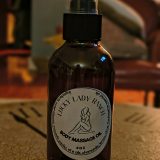 Body OilA silky blend of high quality oils for moisture and massage.
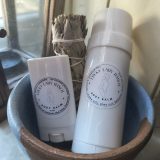 Body BalmUnrefined shea and organic beeswax for hard working skin.
Questions people ask
Is body oil better than lotion?
Not better, just different. Body oil softens skin and has a very short ingredient list, while lotion adds water and feels lighter. Applied to damp skin, oil can give much of the hydration people expect from a lotion without needing preservatives.
Can I use a body balm all over?
You can, but balms are rich, so most people use them on the driest areas and use oil elsewhere. If you do apply balm all over, use a small amount and warm it between your palms first.
Should I put body oil on before or after lotion?
Generally apply lighter, water based products first and oils or balms after. Oil on top helps slow water loss from the lotion layer underneath.
Why does my skin still feel dry after using body oil?
Oil softens but does not add water. Try applying it to damp skin within a few minutes of showering, and use a balm on the driest spots. Shorter, cooler showers and milder soap also help.
Sources and further reading
- American Academy of Dermatology, Dermatologists' Top Tips for Relieving Dry Skin
- Purnamawati S. et al., The Role of Moisturizers in Addressing Various Kinds of Dermatitis: A Review, Clinical Medicine and Research (2017)
- National Eczema Association, Moisturizing: Ointments, Creams and Lotions
- US Food and Drug Administration (FDA), Microbiological Safety and Cosmetics
This guide is for general education and is not medical advice. If you have a skin condition, allergy, or are pregnant or nursing, talk with your doctor or a board certified dermatologist about the products that are right for you.