Body Care for Outdoor Work: Sun, Wind and Hard Use
Outdoor work is hard on skin. A few simple habits and a small kit in the truck protect against sun, wind and wear, and an end of day routine helps skin recover.

Key takeaways
- Clothing, hats and gloves do the heavy lifting; products fill in the gaps.
- Mineral sunscreen on exposed skin, reapplied through the day, is part of any outdoor work kit.
- A rich balm before and after work protects hands, lips and wind exposed skin.
- A gentle wash and moisturizer at the end of the day help skin recover overnight.
Ranching, farming, construction, landscaping, trail crews, line work: outdoor work asks a lot of skin. Sun, wind, cold, sweat, dirt and rough materials all take their toll, often all on the same day. Body care for outdoor work does not need to be fussy or take long. It needs to be practical, hold up to a hard day, and fit in a truck console. That is where simple, chemical free body care earns its keep. On our ranch, this is the routine we actually use.
Start with what you wear
Products help, but clothing and gear do most of the work.
- Wide brim hat: shades face, ears and neck, the spots that get the most sun. A neck flap or bandana covers the back of the neck.
- Long sleeves: lightweight, loose, tightly woven shirts protect skin and can feel cooler than bare arms in strong sun.
- Gloves: leather or synthetic for rough work, waterproof gloves for wet work, insulated gloves in cold. Gloves prevent more cracked hands than any balm.
- Good socks and boots: moisture wicking socks reduce blisters and fungal trouble. Bring a spare pair on wet days.
- Sunglasses that block UV, and safety glasses where the job calls for them.
Sun: the everyday exposure
Outdoor workers get far more sun than most people, day after day. Cover up first, then use a mineral sunscreen on skin that stays exposed: face, ears, neck, backs of hands, and forearms if sleeves are rolled.
- Apply before you start, generously.
- Reapply at least every two hours, and after heavy sweating or wiping your face. Set a phone reminder or tie it to breaks.
- No sunscreen is waterproof or sweatproof, so plan on reapplying.
Our Mineral Sunblock is a zinc oxide and beeswax balm that stays put well and travels easily; follow its label directions. For a full walkthrough of application and the FDA guidance behind it, see our guide to mineral sun protection for outdoor days. Ask a dermatologist about regular skin checks, since years of outdoor work add up.
Wind and cold
Wind strips moisture from skin quickly, leaving cheeks, lips and hands red, rough and chapped. Cold air holds little moisture, which makes it worse.
- Apply a thin layer of balm to cheeks, nose and the backs of hands before heading out on windy or cold days. A balm forms a light protective layer that a water based lotion cannot.
- Keep lip balm in your pocket and use it before lips feel dry. See our guide to natural lip care.
- Cover your face with a buff or scarf in hard wind.
Our explainer on what a beeswax balm does for hard working skin explains why wax based balms hold up so well outdoors.
Hands: your most used tools
- Before work: a small amount of balm, rubbed in well so your grip is not slick. It gives skin a little buffer under gloves.
- During work: gloves whenever you can. Rinse off chemicals, fertilizers or cement promptly, and follow the safety instructions for anything you handle.
- After work: wash well with soap and lukewarm water. A nail brush helps with dirt. Then balm, and cuticle oil on split cuticles.
- At night: a thick layer of balm under cotton gloves for cracked fingertips.
Our routine for rough hands and cracked heels goes into detail.
Heat, sweat and chafing
Long days in the heat bring sweat rash, chafing and odor.
- Chafing: a thin layer of balm on inner thighs, underarms or wherever seams and straps rub reduces friction. Moisture wicking underwear helps.
- Sweat rash: change out of soaked clothes as soon as you can, rinse off, and let skin dry before getting dressed again.
- Odor: a deodorant with clay or charcoal for absorbency suits heavy sweaters. See our guide to finding a natural deodorant that works.
- Heat safety: drink water regularly, rest in shade, and follow your employer's heat safety guidance. Dizziness, confusion or stopping sweating in the heat are emergencies.
Bugs
Field and woods work means mosquitoes and ticks. Wear long sleeves and pants, tuck pants into socks in tick country, and do a tick check at the end of the day. For areas where bites can carry illness, the CDC recommends EPA registered repellents. Our guide to natural insect repellents explains when a natural spray is enough and when to use something stronger.
A simple truck or saddlebag kit
| Item | For |
|---|---|
| Mineral sunblock | Face, ears, neck, hands |
| Lip balm | Wind and sun on lips |
| Small tin of body balm | Hands, cheeks, chafe spots |
| Insect repellent | Dusk, brush and grass |
| Spare socks and gloves | Wet days |
| Bar soap in a tin, small towel | Midday wash up |
| Water bottle | Hydration, rinsing |
Keep the kit out of direct sun. Natural balms soften in a hot cab; they still work, but a shaded spot or small cooler keeps them firm.
End of the day routine
- Wash off the day. A short, warm shower with a gentle bar that rinses clean. Our tea tree Man Bar is popular with folks coming in from the field.
- Check your skin. Ticks, splinters, cuts and new or changing spots.
- Clean small cuts with soap and water, and see a doctor for deep wounds or signs of infection.
- Moisturize damp skin, paying extra attention to hands, feet, elbows and sun exposed areas.
- Balm and socks on heels if they are cracking.
Our simple chemical free body care routine covers the basics for every day, outdoors or in.
Adjusting through the seasons
Spring and summer: lighter clothing, more sunscreen breaks, more water, and a quick rinse at lunch if you sweat heavily. Fall and winter: more balm, insulated gloves, and a humidifier at home if your hands crack. Sun still matters in winter, especially around snow, which reflects light back up at you.
Built for hard use
Working outside is good, honest work, and skin that does it deserves a little care. Good gear first, a few simple products in the truck, and ten minutes at the end of the day will keep skin comfortable through every season. That is how we take care of ourselves on the ranch, and it is why we make our body care plain, sturdy and free of anything harsh.
From the ranch
Made in small batches, without the ingredients discussed above.
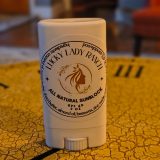 Mineral SunblockZinc oxide in a beeswax balm, without chemical UV filters.
 Man BarTea tree, cedarwood and bergamot mint in a clean, rugged bar.
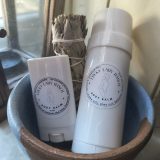 Body BalmUnrefined shea and organic beeswax for hard working skin.
Questions people ask
How do outdoor workers protect their skin from the sun?
Start with clothing: a wide brim hat, long sleeves and sunglasses. Then use sunscreen on exposed skin, applied generously before work and reapplied at least every two hours and after heavy sweating. Regular skin checks with a dermatologist are a good idea.
What helps windburned or chapped skin?
Wash gently with lukewarm water, then apply a rich balm to the affected areas several times a day. Before going back out in wind, a thin layer of balm and a face covering can help protect skin.
How can I stop chafing when working outside?
Wear moisture wicking underwear and well fitted clothing, apply a thin layer of balm where seams or straps rub, and change out of wet clothes as soon as you can.
What is the best way to care for hands that work outside?
Wear gloves whenever possible, apply balm before and after work, wash with gentle soap and lukewarm water, and use a thick balm under cotton gloves at night for cracked skin.
Sources and further reading
- Occupational Safety and Health Administration (OSHA), Heat Illness Prevention
- National Institute for Occupational Safety and Health (NIOSH), Outdoor Workers: Sun Exposure
- US Food and Drug Administration (FDA), Sun Protection: How to Help Protect Your Skin from the Sun
- Centers for Disease Control and Prevention (CDC), Preventing Tick Bites
- American Academy of Dermatology (AAD), How to prevent and treat windburn
This guide is for general education and is not medical advice. If you have a skin condition, allergy, or are pregnant or nursing, talk with your doctor or a board certified dermatologist about the products that are right for you.