Mineral Bath Salts and Clays: What They Do
A practical comparison of Epsom salt, sea salts and cosmetic clays for the bath: what each one really does, what to skip on labels, and how much to use.

Key takeaways
- Epsom salt is magnesium sulfate; sea salt is mostly sodium chloride with small amounts of other minerals.
- Evidence that skin absorbs meaningful magnesium from a bath is limited, but warm mineral soaks are relaxing and can leave skin feeling soft.
- Clays make bath water feel silky and are best used in modest amounts.
- Many commercial bath salts add dyes, synthetic fragrance and foaming agents that add nothing for skin.
- About one to two cups of salts in a standard tub of warm, not hot, water is a common starting point.
A warm bath with a scoop of salts is one of the simplest pleasures in chemical free body care. Walk down a bath aisle, though, and the choices multiply: Epsom, sea salt, Dead Sea salt, pink salt, green clay, white clay. Knowing what mineral bath salts and clays each bring to the water helps you choose a soak that feels good and skip the extras that do not.
For the science of Epsom salt in particular, the main Lucky Lady Ranch site has a full guide to Epsom salt and sea salt baths. Here we compare the whole shelf.
The salts, side by side
| Salt | What it is | Feel in the bath | Notes |
|---|---|---|---|
| Epsom salt | Magnesium sulfate, named for a spring in Epsom, England | Dissolves quickly; water feels soft | Not actually "salt" in the table salt sense; the classic soak for tired muscles |
| Sea salt | Evaporated seawater; mostly sodium chloride with trace minerals | Slightly brisk, clean feel | Coarse grains dissolve more slowly |
| Dead Sea salt | Salt from the Dead Sea, unusually rich in magnesium chloride | Can feel slightly slick | One small study linked it with better skin hydration in people with dry skin |
| Himalayan pink salt | Rock salt; mostly sodium chloride, colored by iron oxides | Similar to sea salt | Pretty, but mineral content is similar to other rock salts |
What a mineral soak can and cannot do
A warm bath relaxes muscles, eases the mind and softens skin, and adding salts makes the water feel different in a way many people enjoy. Many people find an Epsom salt soak soothing for tired muscles after a long day. Whether skin absorbs meaningful amounts of magnesium from bath water is less clear. The research is limited and mixed, so it is fair to enjoy the soak without expecting it to change your magnesium levels.
A few claims are worth setting aside. Bath salts do not "draw out toxins"; your liver and kidneys handle that. Nor do they cure any condition. What they offer is cosmetic and comforting, and that is plenty.
Where clays come in
Cosmetic clays are fine, mineral rich earths. In a mask they absorb oil; in the bath they disperse into the water and give it a silky, soft feel. A small amount is all you need.
| Clay | Character | Good for |
|---|---|---|
| Kaolin (white clay) | Gentle, mild, low absorbency | Sensitive or dry skin |
| Bentonite | Swells in water; highly absorbent | Normal to oily skin; small amounts in soaks |
| French green clay | Absorbent, mineral rich | Oily skin, occasional soaks |
| Rhassoul | Moroccan clay traditionally used for washing | Hair and body washing, soft feel |
You may also see "magnetic clay" on some labels, including ours. It is a traditional trade name for a mineral rich clay. It does not mean the clay acts like a magnet on your body, and we do not make claims of that kind. For more on how clays absorb, see the main site guide to bentonite clay for skin, and our page on aluminum free deodorant ingredients, where clay plays a different role.
What to skip on bath product labels
- Synthetic fragrance (fragrance, parfum). In a bath, scent surrounds sensitive areas of the body. Unscented or essential oil scented soaks are gentler.
- Dyes. Look for CI numbers or FD&C and D&C colors. They make salts look pretty and do nothing for your skin.
- Foaming detergents. Many bath bombs and bubble products contain sulfates or other surfactants that can dry skin and may irritate sensitive areas.
- Glitter and plastic microbeads. They add microplastics to waterways and can be irritating.
- Anticaking agents in bulk salts. Usually harmless, but pure salts do not need them.
Our guide to reading body care labels covers how to spot these quickly.
How much to use and how to soak
- Fill the tub with warm water, comfortably warm rather than hot. Very hot water strips the skin's natural oils and can make you lightheaded.
- Add about one to two cups of salts for a standard tub, following any directions on the package. Stir with your hand to dissolve.
- Add clay sparingly, a tablespoon or two at most, mixed into the salts first so it disperses rather than clumping.
- Add essential oils carefully. Blend a few drops into the salts or a spoonful of carrier oil before adding, since undiluted oils float and can sting. Our guide to essential oils in body care explains why.
- Soak for 15 to 20 minutes, then rinse briefly if your skin feels tight.
- Pat dry and moisturize while skin is still damp. A body oil or balm locks in the softness. See the damp skin method.
For a slower, step by step evening routine, try our relaxing bath soak ritual.
Who should be careful
Salt stings on broken skin, cuts and fresh shaves. People with diabetes, heart conditions, low blood pressure or kidney problems, and anyone who is pregnant, should check with a doctor about hot soaks and Epsom salt use. Keep baths short and warm for young children, and never leave them unattended. Stop using any product that causes itching, redness or burning. Do not drink bath salts.
Choosing a soak for your skin
- Dry or itchy skin: a shorter soak with Epsom or Dead Sea salt and a little kaolin, followed right away by oil or balm.
- Tired muscles after work or exercise: a classic Epsom salt soak in comfortably warm water.
- Oily or easily congested skin on the back and chest: sea salt with a small amount of bentonite or green clay.
- Very sensitive skin: plain, unscented Epsom salt in lukewarm water, and a patch of skin tested before adding anything else.
Whatever you choose, quality matters more than variety. Look for salts with a single ingredient or a short list, and clays labeled for cosmetic use.
Tub and drain care
Salts rinse away easily. Clay can leave a light film on the tub, so give it a quick rinse after your soak. Using clay in modest amounts and running water for a moment after draining helps keep pipes clear.
Our soak
Our Epsom Sea Salt Bath Soak keeps it simple: Epsom salt, sea salt and magnetic clay, with no dyes, synthetic fragrance or foaming agents. Follow it with our Body Oil on damp skin. Warm water, a handful of minerals and twenty quiet minutes is about as uncomplicated as body care gets.
From the ranch
Made in small batches, without the ingredients discussed above.
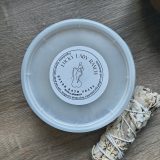 Epsom Sea Salt Bath SoakEpsom salt, sea salt and magnetic clay for a long, quiet soak.
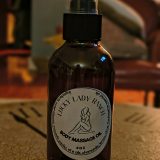 Body OilA silky blend of high quality oils for moisture and massage.
Questions people ask
What is the difference between Epsom salt and sea salt?
Epsom salt is magnesium sulfate, while sea salt is mostly sodium chloride with small amounts of other minerals. Epsom salt dissolves quickly and makes water feel soft; sea salt feels a little more brisk.
Can your skin absorb magnesium from an Epsom salt bath?
Research on this is limited and mixed. A warm Epsom soak is relaxing and can leave skin feeling soft, but it is best enjoyed without expecting it to change your magnesium levels.
How much bath salt should I use?
About one to two cups of salts in a standard tub of warm water is a common starting point. Follow the directions on your package, and add clay only in small amounts.
Is it safe to put clay in the bath?
Yes, in modest amounts. A tablespoon or two mixed into the salts gives water a silky feel. Rinse the tub afterward, and avoid large amounts that could build up in drains.
Are colored bath salts bad for you?
Dyes in bath salts are generally permitted at low levels, but they add nothing for skin and can irritate sensitive areas. Undyed salts with no synthetic fragrance are a gentler choice.
Sources and further reading
- Proksch E et al. Bathing in a magnesium rich Dead Sea salt solution improves skin barrier function, enhances skin hydration, and reduces inflammation in atopic dry skin. International Journal of Dermatology, 2005
- Gröber U, Werner T, Vormann J, Kisters K. Myth or Reality: Transdermal Magnesium? Nutrients, 2017
- National Library of Medicine, PubChem: Magnesium Sulfate
- Cosmetic Ingredient Review (CIR), Safety Assessment of Natural Clays as Used in Cosmetics
- American Academy of Dermatology, Dermatologists' Tips for Relieving Dry Skin
This guide is for general education and is not medical advice. If you have a skin condition, allergy, or are pregnant or nursing, talk with your doctor or a board certified dermatologist about the products that are right for you.