Aluminum Free Deodorant Ingredients, Explained
A plain guide to what is inside aluminum free deodorant, what each ingredient does for odor and wetness, and the label terms that are easy to misread.

Key takeaways
- Aluminum free deodorants do not stop sweat; they manage odor and absorb some moisture.
- Ingredients fall into four jobs: neutralize odor, absorb moisture, discourage odor causing bacteria, and hold the formula together.
- Potassium alum and ammonium alum, used in crystal deodorants, are aluminum compounds, so read crystal labels closely.
- Baking soda is very effective for odor but can irritate some skin; magnesium hydroxide is a gentler alternative.
- Expect a short adjustment period when you switch from antiperspirant.
Flip over any natural deodorant and you will find a short list of ingredients that sound more like a pantry than a lab: arrowroot, baking soda, clay, coconut oil. Understanding aluminum free deodorant ingredients helps you pick a formula that suits your body, and helps you spot the few that may not suit your skin.
This is the ingredient level view. If you are still deciding whether to switch, our guide to finding a natural deodorant that works for you covers the bigger picture.
Deodorant and antiperspirant are not the same thing
Antiperspirants use aluminum salts that temporarily plug sweat ducts to reduce wetness. In the US they are regulated by the FDA as over the counter drugs. Deodorants do not block sweat at all. They work on odor, which comes from bacteria breaking down sweat on the skin, not from sweat itself. Deodorants are regulated as cosmetics.
So an aluminum free deodorant is not a weaker antiperspirant. It is a different tool. You will still sweat, which is normal and healthy, but you should not smell. The main Lucky Lady Ranch guide to aluminum in antiperspirants looks at the research behind the concerns, including where the evidence is reassuring.
The four jobs inside a natural deodorant
| Job | Common ingredients | How they help |
|---|---|---|
| Neutralize odor | Baking soda (sodium bicarbonate), magnesium hydroxide, zinc ricinoleate | Shift the skin surface to be less friendly to odor causing bacteria, or trap odor molecules |
| Absorb moisture | Arrowroot powder, cornstarch, tapioca starch, kaolin clay, bentonite clay | Soak up some dampness so you feel drier |
| Discourage bacteria and add scent | Essential oils (tea tree, lavender, lemongrass), activated charcoal, coconut oil | Help keep odor causing bacteria in check; give a natural scent |
| Hold it together | Shea butter, cocoa butter, coconut oil, beeswax, candelilla wax | Form a stick or balm that glides on and stays put |
The ingredients, one by one
Baking soda
Sodium bicarbonate is the most effective odor fighter in most natural deodorants. It is mildly alkaline, which makes the underarm a less welcoming place for the bacteria that create odor. That same alkalinity is why some people get redness or itching from it. We give it a full article: baking soda in deodorant: why some skin reacts.
Magnesium hydroxide
The most common replacement in baking soda free formulas. It is less alkaline and is generally considered gentler. Many people with sensitive underarms do well with it, though some find it slightly less powerful against strong odor.
Arrowroot, cornstarch and tapioca
Fine plant starches that absorb moisture and give the formula a silky, dry finish. Arrowroot is especially common because it is light and smooth.
Clays
Bentonite and kaolin clays absorb moisture and can help hold onto odor molecules. Bentonite is more absorbent; kaolin is softer and milder. Both add a matte finish.
Activated charcoal
Charcoal has an enormous surface area and is used to adsorb odor. In deodorant it is a small supporting player. It can look alarming in a black stick, but it washes out of skin and, in small amounts, generally out of fabric too.
Essential oils
Several essential oils, including tea tree and lemongrass, have shown antibacterial activity in laboratory studies, and they provide the scent. They are also the most common cause of allergic reactions in natural deodorants, so fragrance free options are worth trying if you are sensitive. See essential oils in body care.
Butters, oils and waxes
Shea, cocoa butter and coconut oil help a stick glide and condition skin, while beeswax or candelilla wax keeps it firm. Coconut oil also contains lauric acid, which has shown antimicrobial activity in lab studies.
Labels worth reading twice
- "Crystal" or "mineral salt" deodorants. These are usually potassium alum or ammonium alum. Alum is an aluminum compound. It differs from the aluminum chlorohydrate in antiperspirants and is used in a different way, but if your goal is to avoid aluminum entirely, these do not fit.
- "Fragrance" or "parfum." Some natural looking deodorants still use undisclosed synthetic fragrance. If you want to know what you are wearing, choose named essential oils or fragrance free.
- Propylene glycol. Common in clear gel sticks. It is considered safe at typical levels but irritates some people's skin.
- "Clinical strength natural." Not a regulated term. Read the ingredients rather than the claim.
Our guide to reading body care labels covers more front label claims like these.
Choosing a formula for your body
- Strong odor, tolerant skin: a baking soda formula with clay and arrowroot usually performs best.
- Sensitive skin or past baking soda rash: look for magnesium hydroxide and kaolin, and consider fragrance free.
- Heavy sweating: look for more absorbers such as arrowroot and bentonite, and wear breathable fabrics. If sweating is excessive or sudden, talk with a doctor, since it can have medical causes.
- Breakouts under the arm: a lighter formula with less heavy butter may help.
What to expect when you switch
Many people notice more odor or wetness for the first couple of weeks after stopping antiperspirant, as sweat glands return to normal and the bacteria on the skin rebalance. This is commonly described as a "detox," though that is not quite the right word; nothing is being purged. Washing underarms with a gentle bar soap, applying deodorant to fully dry skin, and reapplying midday can help during this period.
Application matters more with natural deodorant than with antiperspirant. Hold a stick against the skin for a few seconds to soften it, then use a few light swipes rather than pressing hard. A cream or balm deodorant needs only a fingertip, warmed and smoothed on. If you notice residue on clothing, you are probably using more than you need. Give any new formula at least two to three weeks before deciding whether it works for you.
Our deodorant
Our All Day Deodorant uses each of the four jobs above: hard and soft oils to hold it together, arrowroot and bentonite clay to absorb, baking soda and activated charcoal for odor, and essential oils for scent. No aluminum, no alum, no synthetic fragrance. If baking soda bothers your skin, it may not be your best match, and we would rather tell you that up front. A simple, honest ingredient list is what chemical free body care should look like, and it is how we think deodorant should be made.
From the ranch
Made in small batches, without the ingredients discussed above.
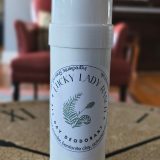 All Day DeodorantAluminum free deodorant that passed every sweaty test we gave it.
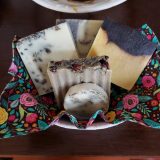 Body BarA true cold process soap for gentle, everyday cleansing.
Questions people ask
What ingredients are in aluminum free deodorant?
Most combine an odor neutralizer such as baking soda or magnesium hydroxide, a moisture absorber such as arrowroot or clay, essential oils for scent, and butters, oils and waxes to form the stick.
Is potassium alum the same as aluminum?
Potassium alum is an aluminum containing salt, so crystal deodorants that use it are not aluminum free. It differs from the aluminum compounds in antiperspirants, but people avoiding aluminum entirely should skip it.
Does aluminum free deodorant stop sweating?
No. Only antiperspirants reduce sweating. Aluminum free deodorants control odor and absorb some moisture, so you may feel slightly damp but should stay fresh.
What is the best ingredient for odor in natural deodorant?
Baking soda is usually the most effective, but it irritates some skin. Magnesium hydroxide is a gentler option that works well for many people.
Why does natural deodorant stop working?
Common causes include applying it to damp skin, not using enough, residue buildup, or a change in diet, stress or activity. Washing underarms well and reapplying midday often helps.
Sources and further reading
- US Food and Drug Administration (FDA), Antiperspirant Drug Products for Over the Counter Human Use (21 CFR Part 350)
- US Food and Drug Administration (FDA), Is It a Cosmetic, a Drug, or Both?
- American Academy of Dermatology, Hyperhidrosis: Diagnosis and Treatment
- National Cancer Institute, Antiperspirants/Deodorants and Breast Cancer
- Cosmetic Ingredient Review (CIR), Safety Assessment of Alum Ingredients
This guide is for general education and is not medical advice. If you have a skin condition, allergy, or are pregnant or nursing, talk with your doctor or a board certified dermatologist about the products that are right for you.