Baking Soda in Deodorant: Why Some Skin Reacts
Why baking soda works so well against odor, why it bothers some underarms, how to tell its rash from other causes, and what to try next.

Key takeaways
- Baking soda fights odor because it is alkaline, and that same property can irritate skin that is naturally slightly acidic.
- Freshly shaved skin, friction, damp application and using too much make a reaction more likely.
- Baking soda irritation usually builds over days; a sudden itchy rash may point to an essential oil or other allergen instead.
- Small amounts, dry skin and no deodorant right after shaving let many people use baking soda comfortably.
- If a rash persists, stop, let skin calm down, and see a doctor if it does not clear.
Baking soda is in many of the best performing natural deodorants for a simple reason: it works. It is also the ingredient most often blamed when underarms turn red and itchy after a switch. Both things are true, and understanding baking soda in deodorant lets you decide whether it suits you, and how to use it so your skin stays comfortable.
Why baking soda works against odor
Underarm odor is not sweat itself. Fresh sweat has almost no smell. Odor appears when bacteria living on the skin break down compounds in sweat from the apocrine glands found in the armpit. Sodium bicarbonate, which is baking soda, is mildly alkaline. On the skin it can neutralize acidic odor compounds and make the surface less hospitable to the bacteria that create them. It is cheap, plentiful and very effective, which is why so many natural formulas rely on it.
Why some skin reacts
Healthy skin has a slightly acidic surface, sometimes called the acid mantle. This mild acidity supports the skin barrier and the balance of microbes living on it. Dissolved in sweat, baking soda is noticeably more alkaline than skin. For many people this makes no visible difference. For others, especially in thin, warm, folded skin like the underarm, repeated contact can disrupt the barrier and lead to irritation. Our guide to your skin barrier, explained in plain English covers why that matters.
This is irritant contact dermatitis, not an allergy. It depends on dose and conditions, which is good news: by changing the conditions, many people stop reacting.
Things that make a reaction more likely
- Shaving right before applying. Shaving leaves tiny scrapes and removes some of the outer layer of skin.
- Applying to damp skin. Water dissolves the baking soda and concentrates it against the skin.
- Using too much. Two or three light swipes are plenty. Heavy layers just add more alkali.
- Friction and heat. Tight clothing, exercise and hot weather all increase rubbing and sweat.
- Grainy texture. Coarse baking soda can be mildly abrasive. Good formulas use a fine powder that is fully blended.
- Where it sits on the label. Ingredients are listed from most to least. If sodium bicarbonate is the first or second ingredient, the formula is likely on the stronger side; further down the list, it is usually balanced by more starch, clay and oil.
- A compromised barrier to begin with. Skin that is already dry, chafed or recovering from a harsh product is more easily irritated by anything, baking soda included.
Is it the baking soda, or something else?
Not every underarm rash after switching is caused by baking soda. Here is a rough guide to the usual suspects. It is not a diagnosis, and a doctor or dermatologist can tell you for sure.
| Likely cause | Typical pattern | What often helps |
|---|---|---|
| Baking soda irritation | Builds over several days; redness or darkening where the stick touches; can feel raw or burn | Less product, dry skin, a break, then a baking soda free formula if it returns |
| Essential oil or fragrance allergy | Itchy, sometimes bumpy rash; may spread beyond where the product was applied; can appear after weeks of use | Switch to a fragrance free formula; ask a dermatologist about patch testing |
| Shaving irritation | Small red bumps at hair follicles, often the day after shaving | Shave at night, use a sharp blade, wait before applying deodorant |
| Friction or heat rash | Prickly, small bumps in hot weather or after exercise | Loose, breathable clothing, keeping the area cool and dry |
If you suspect the essential oils rather than the baking soda, our guide to essential oils in body care explains why oxidized oils and certain scent compounds can cause allergies.
How to use a baking soda deodorant comfortably
- Start with clean, completely dry skin. Pat dry and wait a minute or two after showering.
- Warm the stick. Hold it against the skin for a few seconds so it softens, then use two or three light swipes.
- Do not apply right after shaving. Shave in the evening and apply deodorant the next morning, or skip it for a few hours.
- Wash underarms daily with a gentle soap. A mild cold process bar removes residue without stripping skin.
- Give skin a rest if needed. At the first sign of pinkness, skip a day or two, or use deodorant only on days you need it most.
How to patch test a new deodorant
Before using a new formula all over, apply a small amount to a patch of one underarm (or the inner elbow) once a day for three or four days. If there is no redness, itching or burning, it is likely fine for you. Irritation from baking soda can take several days to show, so a single test is not always enough.
If a rash develops
Stop using the product and let your skin recover. Gentle washing, patting dry and a thin layer of a simple, unscented balm can help skin feel more comfortable while it calms. Most mild irritation settles within a week or two. See a doctor or dermatologist if the rash is painful, spreading, blistering, oozing, or does not improve, or if you develop dark patches that persist. Sudden heavy sweating or a new strong odor can also have medical causes worth checking.
Baking soda free alternatives
If your skin simply does not get along with baking soda, look for deodorants built around magnesium hydroxide, zinc ricinoleate, or a higher share of clays and starches. They tend to be gentler, though some people find them slightly less powerful. Our guide to aluminum free deodorant ingredients explains each option, and finding a natural deodorant that works helps you narrow it down.
A word about ours
Our All Day Deodorant does contain baking soda, balanced with arrowroot, bentonite clay, activated charcoal and nourishing oils. Many of our customers use it daily without trouble, especially when they follow the steps above. If you already know baking soda bothers you, we would honestly suggest a baking soda free formula instead. Pairing any deodorant with a gentle wash, like our cold process Body Bar, helps keep underarm skin calm. For a broader look at making the switch, the main site guide to switching to natural deodorant walks through the first month.
From the ranch
Made in small batches, without the ingredients discussed above.
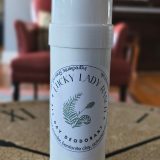 All Day DeodorantAluminum free deodorant that passed every sweaty test we gave it.
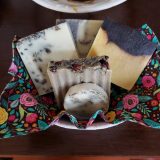 Body BarA true cold process soap for gentle, everyday cleansing.
Questions people ask
Why does baking soda deodorant give me a rash?
Baking soda is alkaline, while skin is naturally slightly acidic. In warm, sweaty, thin underarm skin, repeated contact can irritate the skin barrier, especially after shaving or when applied to damp skin.
How long does a baking soda deodorant rash take to go away?
Mild irritation often settles within one to two weeks after stopping the product. If it is painful, spreading, blistering or not improving, see a doctor or dermatologist.
Can I still use baking soda deodorant if I have sensitive skin?
Some people can, by applying a small amount to fully dry skin and avoiding it right after shaving. If irritation returns, a baking soda free formula with magnesium hydroxide is usually gentler.
What is a good substitute for baking soda in deodorant?
Magnesium hydroxide is the most common substitute. Zinc ricinoleate, kaolin clay and arrowroot are also used to control odor and moisture without the alkalinity of baking soda.
Sources and further reading
- American Academy of Dermatology, Contact Dermatitis: Signs and Symptoms
- Lambers H et al. Natural skin surface pH is on average below 5, which is beneficial for its resident flora. International Journal of Cosmetic Science, 2006
- National Library of Medicine, PubChem: Sodium Bicarbonate
- American Contact Dermatitis Society, Contact Allergen Management Program
This guide is for general education and is not medical advice. If you have a skin condition, allergy, or are pregnant or nursing, talk with your doctor or a board certified dermatologist about the products that are right for you.