A Relaxing Bath Soak Ritual, Step by Step
A bath soak ritual does not need to be fancy. Warm water, a handful of salts, twenty quiet minutes and a little oil afterward can turn an ordinary evening around.
Key takeaways
- Comfortably warm water is kinder to skin than hot water, and easier on your body.
- Fifteen to twenty minutes is plenty; longer soaks can leave skin drier.
- Moisturize within a few minutes of getting out to keep skin soft.
- If you are pregnant or have heart, blood pressure or other health conditions, ask your doctor about hot baths first.
Some evenings call for more than a quick shower. A bath soak ritual is one of the simplest ways to slow down: warm water, a handful of salts, a quiet room and a little care for your skin afterward. It does not need special equipment or a spa budget. It needs about forty minutes and a willingness to leave your phone in the other room. This is chemical free body care at its most relaxing: plain minerals and oils, no synthetic fragrance or dyes coloring the water.
Here is how we like to do it, step by step.
Step 1: Set the room
The ritual starts before the water does.
- Tidy what you will see. Clear the tub edge and the floor. A calm view helps a calm mind.
- Lower the lights. A lamp in the next room or a candle placed safely away from towels and curtains is enough.
- Warm the room if it is cold, so getting out is not a shock.
- Gather everything first: a towel within reach, a glass of water, your bath salts, your body oil or balm, and clean, soft clothes for afterward.
- Put your phone away, or set it to play quiet music and leave it there.
Step 2: Draw the water
Aim for comfortably warm, not hot. Very hot water strips natural oils from your skin and can leave you feeling lightheaded or drained, especially if you stay in a long time. A good test is your wrist or elbow: the water should feel pleasantly warm, never stinging.
Fill the tub enough to cover your shoulders when you lie back, or as much as feels good.
Step 3: Add salts and clay
Pour salts under the running tap so they dissolve as the tub fills. Swirl the water with your hand before you get in to make sure nothing is sitting on the bottom.
| Addition | What it brings | Tip |
|---|---|---|
| Epsom salt (magnesium sulfate) | A silky feel to the water; a classic for tired muscles | Follow package directions for the amount |
| Sea salt | A mineral rich, ocean like soak | Coarse salts dissolve more slowly, so add early |
| Clay | A soft feel to the water | Mix into the water well so it does not clump |
| Plant oil | Softer skin after | A teaspoon is plenty and makes the tub slippery |
Our Epsom Sea Salt Bath Soak combines Epsom salt, sea salt and magnetic clay so you only need one jar. For more on what these minerals do and what the research honestly says, see our guide to mineral bath salts and clays. In short, many people find an Epsom salt bath soothing after a hard day, though evidence that magnesium is meaningfully absorbed through the skin is limited.
If you like scent, a few drops of essential oil mixed first into a spoonful of carrier oil or the salts disperses better than dropping it straight on the water, where it can float and sit on your skin undiluted. Our guide to essential oils in body care has dilution tips.
Step 4: Soak, slowly
Step in carefully and settle back. Fifteen to twenty minutes is a good length. Longer soaks can actually leave skin drier and wrinkly, and warm water for a long time can make some people feel faint.
A few ideas for the soak itself:
- Close your eyes and take ten slow breaths, counting each one.
- Gently massage your feet, calves and hands under the water.
- Rest a cool, damp washcloth on your forehead.
- Sip water. Warm baths can leave you thirsty.
- Notice the parts of your body holding tension and let them go, one at a time.
Step 5: Rinse and rise
A quick rinse with lukewarm water is optional. Some people like to rinse off salt, especially if they have dry or sensitive skin; others enjoy the soft feel and skip it.
Stand up slowly. After a warm soak your blood vessels are relaxed and standing quickly can make you dizzy. Hold the edge of the tub, and be extra careful if you added oil, because the surface will be slippery.
Step 6: Moisturize while skin is damp
This is the step most people skip and the one that makes the biggest difference to how your skin feels the next day. Pat yourself mostly dry, leaving skin a little damp, then smooth on oil or balm within a few minutes. Our guide to the damp skin method explains why timing matters.
- A light Body Oil for arms, legs and shoulders.
- A thicker balm on elbows, knees and heels.
If you have time, this is a lovely moment for a slow self massage. Our guide to choosing a natural massage oil helps you pick one.
Step 7: Rest
Put on soft clothes, drink another glass of water, and give yourself a few quiet minutes before jumping back into chores or screens. Many people like to bathe an hour or so before bed, as part of a wind down routine.
Who should check with a doctor first
Warm baths are a simple pleasure for most people, but they are not right for everyone. Talk with your doctor before regular hot soaks if you:
- Are pregnant. Many providers advise avoiding hot tubs and very hot baths that raise your body temperature. See our guide to gentle body care during pregnancy.
- Have heart disease, low or high blood pressure, or a history of fainting.
- Have diabetes or reduced feeling in your feet, since it is harder to judge water temperature.
- Have broken skin, an active rash or a wound.
- Have kidney problems and are thinking about frequent Epsom salt baths.
Children and older adults should always have water temperature checked by someone else, and young children should never be left alone in the tub.
Making it a habit
A bath soak ritual works best when it is regular enough to look forward to. Once a week, on the same evening, is a good place to start. Keep your salts, oil and a favorite towel together so setting up takes two minutes instead of ten. At Lucky Lady Ranch, we think of it as one of the simplest ways to care for yourself: warm water, honest ingredients, and a little time that belongs only to you.
From the ranch
Made in small batches, without the ingredients discussed above.
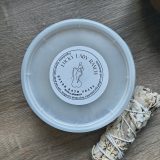 Epsom Sea Salt Bath SoakEpsom salt, sea salt and magnetic clay for a long, quiet soak.
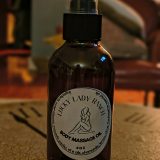 Body OilA silky blend of high quality oils for moisture and massage.
Questions people ask
How long should a relaxing bath soak last?
Fifteen to twenty minutes is a good length for most people. Longer soaks can leave skin drier, and staying in warm water for a long time can make some people feel lightheaded.
How hot should bath water be?
Comfortably warm rather than hot. Test it with your wrist or elbow: it should feel pleasantly warm without stinging. Very hot water strips skin oils and can make you dizzy.
Should I rinse off after an Epsom salt bath?
It is a personal choice. People with dry or sensitive skin often like a quick lukewarm rinse to remove salt residue. Either way, moisturize while your skin is still a little damp.
Is it safe to take a bath soak while pregnant?
Many providers advise avoiding hot tubs and very hot baths during pregnancy because of concerns about raising body temperature. A comfortably warm bath may be fine for many people, but ask your doctor or midwife first.
Sources and further reading
- American Academy of Dermatology (AAD), Dermatologists' tips for relieving dry skin
- American College of Obstetricians and Gynecologists (ACOG), guidance on hot tubs and saunas during pregnancy
- Mayo Clinic, Dry skin: Self care
- National Institutes of Health (NIH) Office of Dietary Supplements, Magnesium Fact Sheet
This guide is for general education and is not medical advice. If you have a skin condition, allergy, or are pregnant or nursing, talk with your doctor or a board certified dermatologist about the products that are right for you.