Switching to Natural Body Care on a Budget
Natural body care can cost less than you think. Here is how to switch gradually, compare cost per use, and stretch every bar, balm and bottle further.

Key takeaways
- Switch gradually: finish what you own, then replace one product at a time.
- Compare cost per use, not price per container. Concentrated balms and oils often last months.
- Fewer, multi purpose products can cost less than a crowded conventional shelf.
- Good storage and using less per application stretch every purchase.
A common worry about switching to natural products is cost. A small tin of handmade balm can cost more than a large pump bottle of drugstore lotion, and that comparison makes natural options look like a luxury. In practice, natural body care on a budget is very achievable. The trick is to look at how long a product lasts and how many jobs it does, not just the sticker price, and to switch in a sensible order. This guide shows how to make chemical free body care fit a real household budget.
Start by not buying anything
The most affordable first step is to use up what you have. Unless a product is clearly irritating your skin, finish it, and use the time to notice what you actually reach for each day. Many bathroom shelves hold several half used lotions, a couple of body washes and products bought for a single purpose. Most of that can quietly go away.
Make a short list of what you truly use daily. For most people it is a cleanser, a moisturizer, a deodorant and a lip balm, plus sun protection in summer. That list is your switching plan.
Think in cost per use
Price per container is misleading because body care products differ hugely in how much you use per application. A lotion is mostly water, so you pump out a lot. A balm or oil is concentrated, so a small amount goes far.
| Product | Typical amount per use | How it stretches |
|---|---|---|
| Water based lotion | A generous palmful for legs and arms | Goes quickly, partly because much of it is water that evaporates |
| Body oil on damp skin | A few drops per limb | A small bottle can last many weeks of daily use |
| Beeswax and shea balm | A pea sized amount per area | A small tin used on hands and heels often lasts months |
| Bottled body wash | A squeeze per shower, often more than needed | Easy to overuse |
| Bar soap, kept dry | A few seconds of lather | Lasts much longer when it drains between uses |
To compare, estimate how many weeks each product lasts you and divide the price by that number. You may find the handmade bar or balm is closer in weekly cost than you expected, and sometimes less.
Switch in the order that matters most
If you can only replace one or two things at a time, prioritize by how much skin a product covers and how long it stays on.
- Body moisturizer. It covers large areas and stays on all day. A body oil applied with the damp skin method is often both cheaper per use and simpler than lotion.
- Cleanser. A bar of cold process soap replaces body wash and usually lasts longer.
- Deodorant. It sits on thin, warm skin for many hours. Expect an adjustment period, so give it a fair trial before deciding. Our guide to finding a natural deodorant that works helps.
- Lip balm. Inexpensive and used many times a day.
- Specialty items last. Bath soaks, massage oils and specialty balms are lovely, but optional.
Buy fewer, multi purpose products
Simple products often do several jobs, which saves both money and shelf space.
- One balm can cover cracked heels, rough knuckles, elbows, dry cuticles and wind chapped cheeks.
- One body oil can serve as moisturizer, massage oil and a softening soak added to bathwater.
- One gentle soap bar can wash body and hands. Some people use it for shaving lather, too.
Our comparison of lotion, body balm and body oil helps you decide which multi purpose base fits your skin.
Make every product last longer
- Use less. Most people over apply balms and oils. Start small and add only if skin still feels dry.
- Keep soap dry between uses. A draining soap dish can noticeably extend the life of a bar. A bar sitting in a puddle turns soft and washes away.
- Cut bars in half. Use one half while the other stays dry and hardens further.
- Store away from heat and light. Oils go rancid faster in a sunny window or a hot car. Our guide to storing natural body care shows what helps.
- Use clean, dry fingers. Water in a jar shortens its life.
Where saving money is not worth it
Some savings cost more in the end:
- Very cheap "natural" products with long ingredient lists. A natural label on the front does not mean the formula is simple. Our guide to reading body care labels shows how to check.
- Homemade lotions with water and no preservative. They can grow microbes within days. Homemade whipped butter or a simple oil blend is safer.
- Undiluted essential oils. Using them straight on skin to save on a finished product can cause irritation.
- Sun protection. Do not stretch or skip it. Use the amount the label directs.
Try before you commit
A product that does not suit you is the most expensive one of all. Before buying a full size of anything new, look for a travel or trial size, ask a friend who already uses it for a small amount, or buy one item from a maker before ordering several. Patch test it on your inner forearm for a day or two, then use it for at least a week before deciding. This is especially true of deodorant, where the first week rarely tells the full story.
A sample budget shelf
A simple, complete natural body care shelf can look like this:
- One or two bars of cold process soap
- One bottle of body oil
- One tin of balm
- One aluminum free deodorant
- One lip balm
- Mineral sunblock for outdoor days
Bought gradually as your old products run out, that shelf often costs about the same over a year as a mix of drugstore products, and sometimes less, because each item lasts longer and does more.
Small batch, long lasting
We make our products at Lucky Lady Ranch to be concentrated and long lasting rather than bulky. A cold process Body Bar kept dry between showers can last weeks of daily use, and a tin of our Body Balm goes a long way because a little covers a lot. However you switch, a slow, thoughtful approach is kinder to both your skin and your wallet. If you are just getting started, our simple chemical free body care routine shows how few products you really need.
From the ranch
Made in small batches, without the ingredients discussed above.
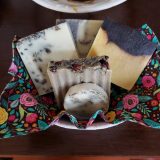 Body BarA true cold process soap for gentle, everyday cleansing.
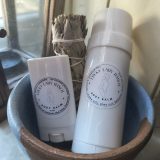 Body BalmUnrefined shea and organic beeswax for hard working skin.
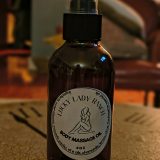 Body OilA silky blend of high quality oils for moisture and massage.
Questions people ask
Is natural body care more expensive?
The upfront price can be higher, but concentrated products such as balms, oils and bar soap are used in small amounts and often last much longer. Compared by cost per week, the difference is often small.
What natural body care product should I buy first?
Start with whatever covers the most skin for the longest time, usually your body moisturizer. A body oil used on damp skin is a simple, affordable first switch. A bar soap is another easy early change.
How can I make bar soap last longer?
Keep it out of standing water on a draining soap dish, let it dry between uses, and keep it out of direct shower spray. Cutting a bar in half and using one piece at a time also helps.
Can I make my own natural lotion to save money?
Lotions contain water and need an effective preservative, which is hard to get right at home. Water free options such as whipped shea butter or a simple oil blend are safer and easier for home makers.
Sources and further reading
- American Academy of Dermatology, Dermatologists' Top Tips for Relieving Dry Skin
- US Food and Drug Administration (FDA), Microbiological Safety and Cosmetics
- US Food and Drug Administration (FDA), Sunscreen: How to Help Protect Your Skin from the Sun
- National Association for Holistic Aromatherapy, Safety Information
This guide is for general education and is not medical advice. If you have a skin condition, allergy, or are pregnant or nursing, talk with your doctor or a board certified dermatologist about the products that are right for you.